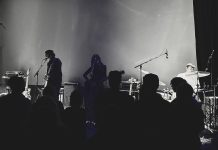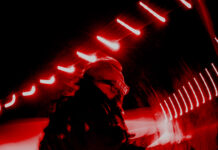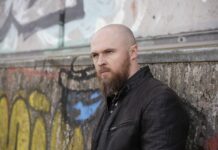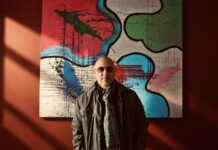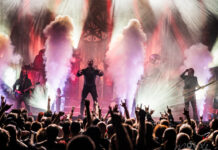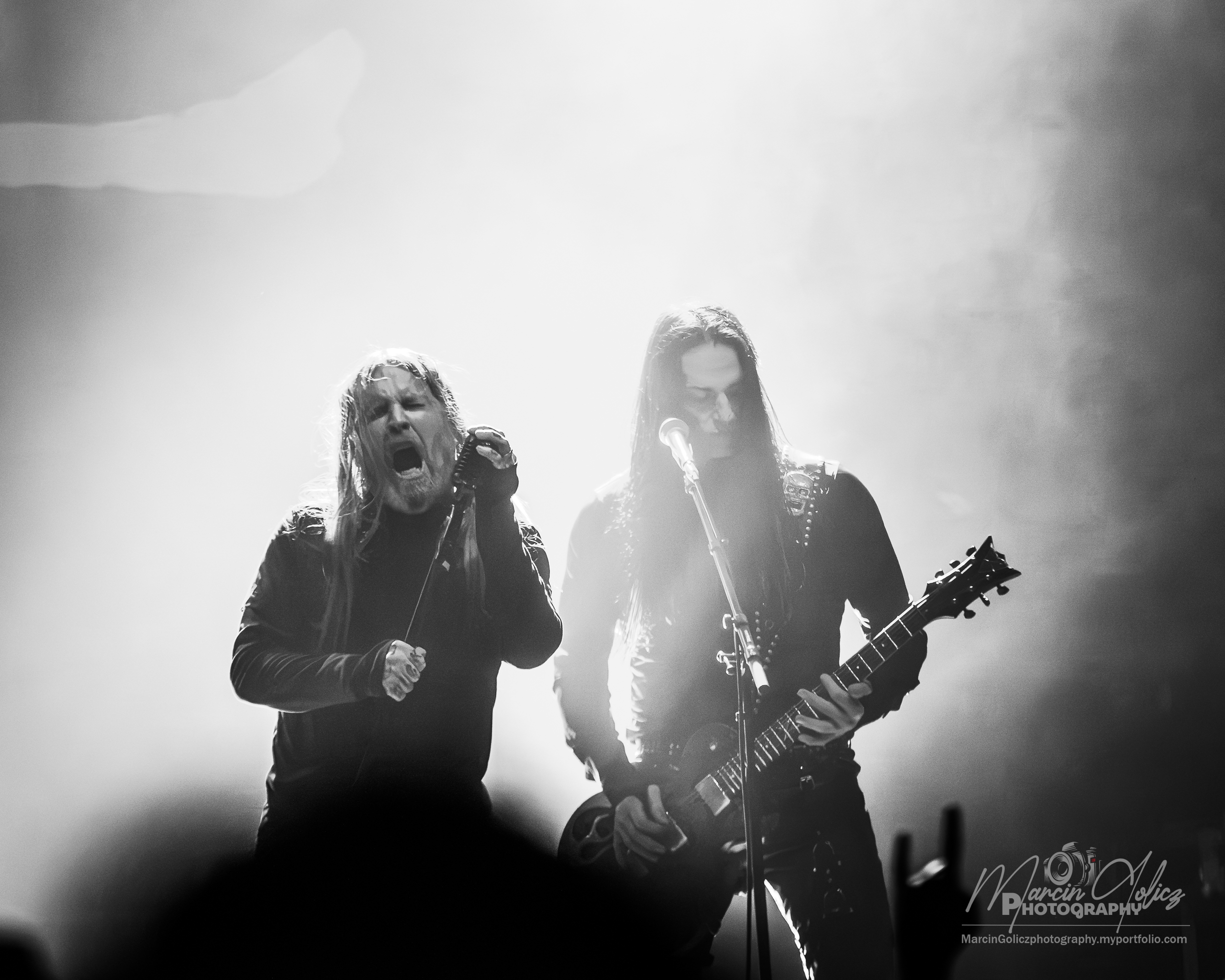
SOiL brought their 2026 UK tour to the O2 Ritz in Manchester on Saturday 7 November 2026. Adema and Finger Eleven, two established names of alternative metal, travelled with them, and the British hard rock band South of Salem opened the evening. Each band offered its own reading of the heavy rock sound that became popular around the turn of the millennium.
South of Salem opened the night and made a good first impression. The British five-piece, formed in Bournemouth in 2018, played hard rock with heavier metal influences. Decorative coffins stood at the sides of the stage, beside a compact drum setup.
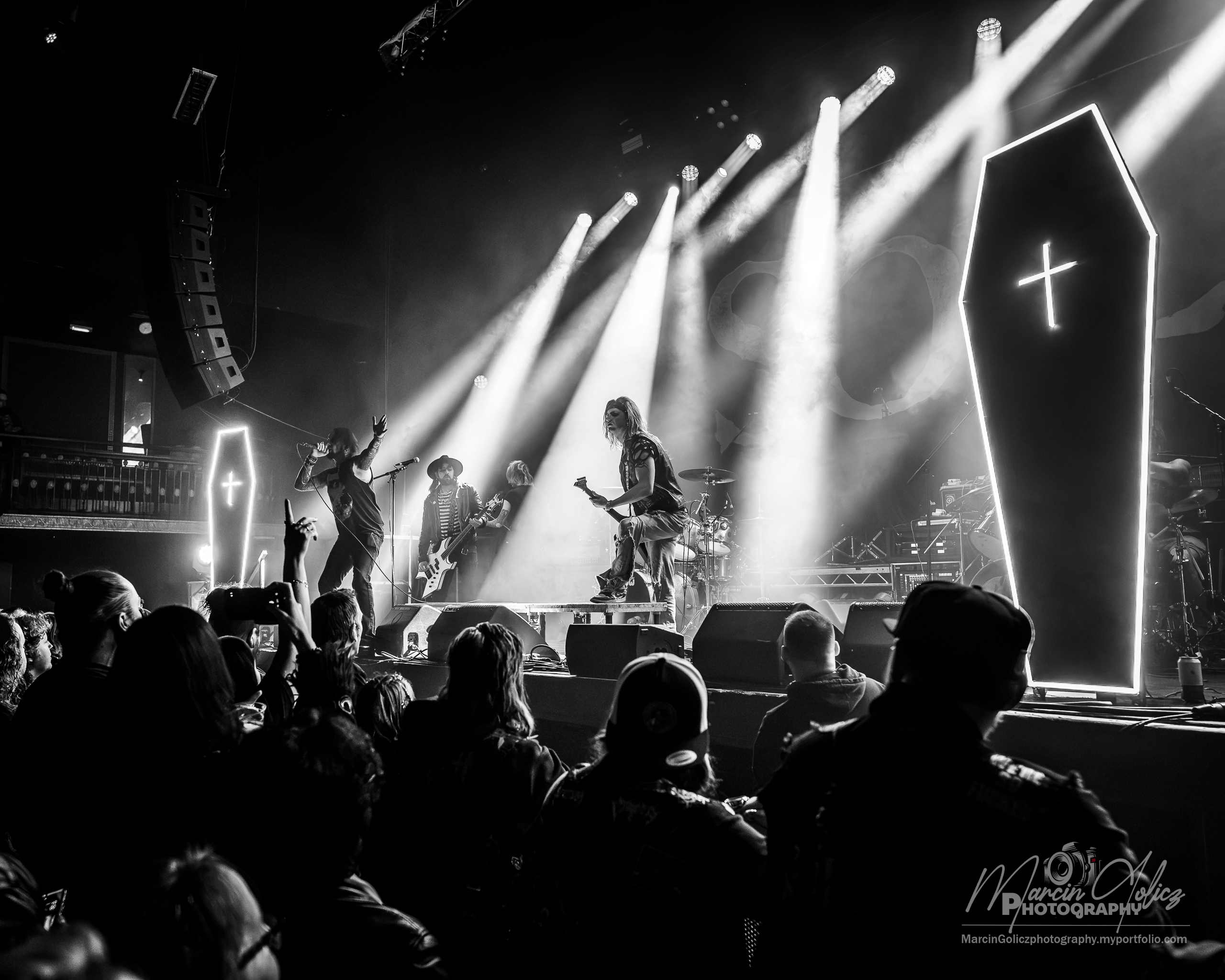
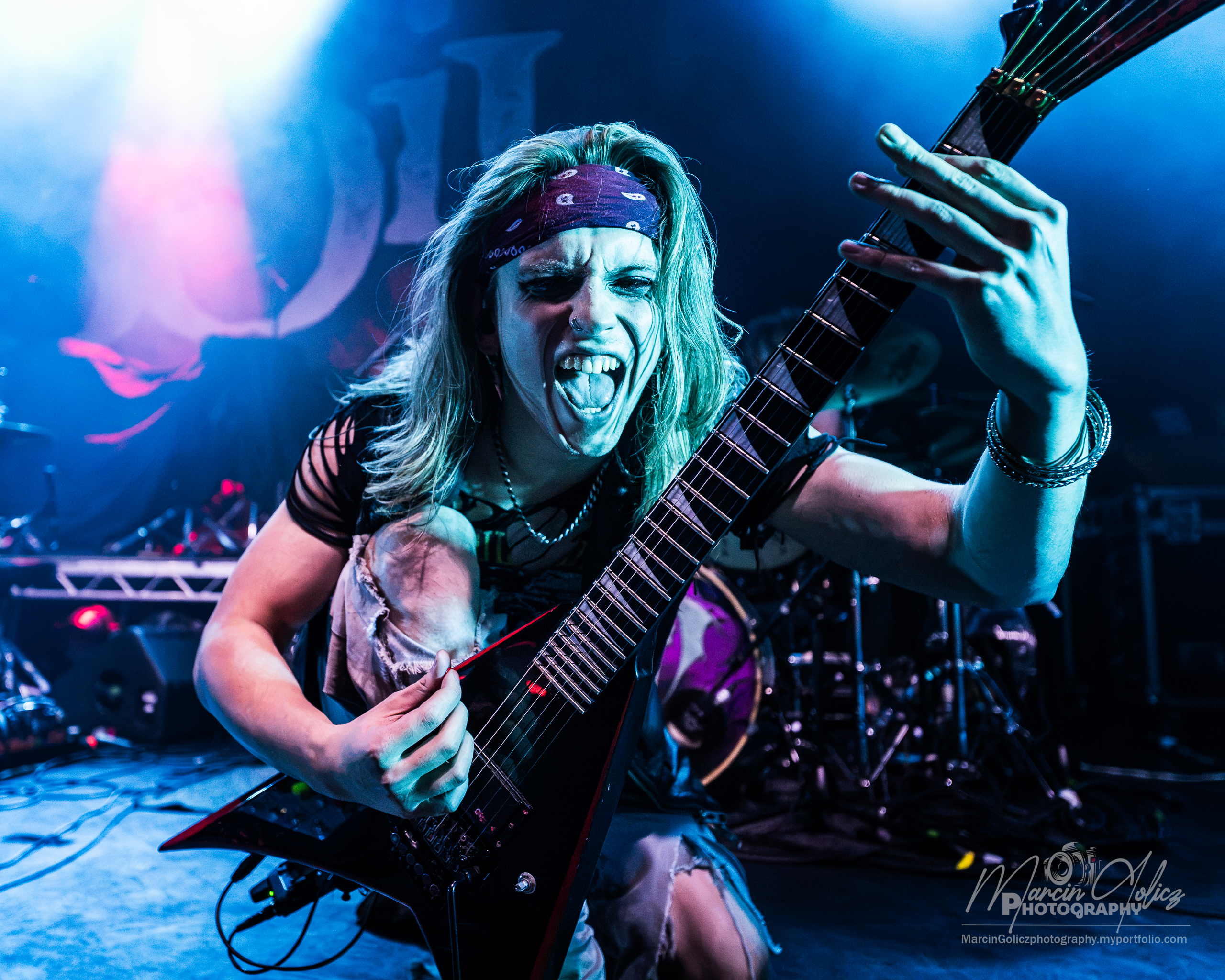
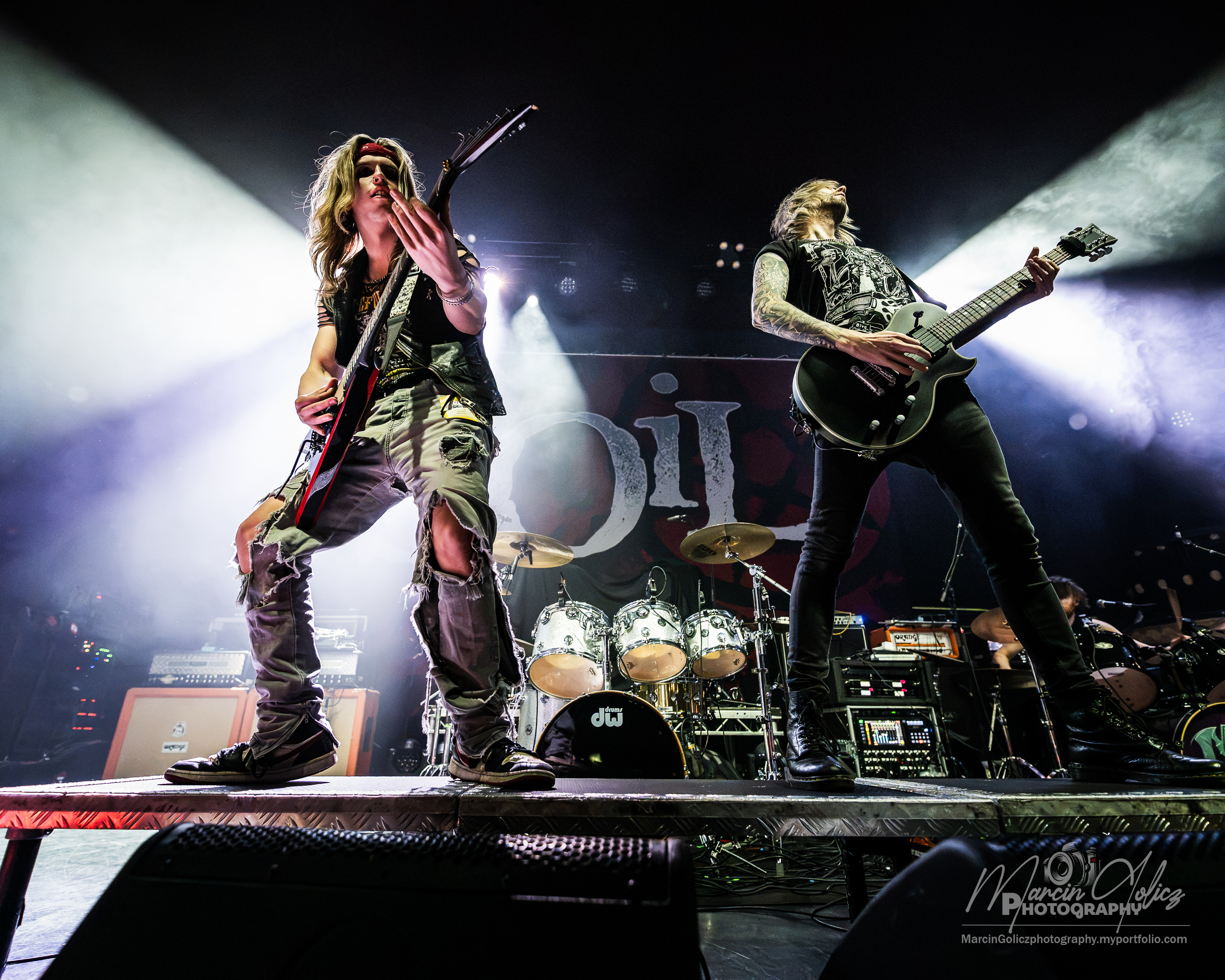
The two guitars were effective, with melodic passages and well-executed solos next to heavier riffs, and one guitarist showed an impressive tapping technique. The singer’s voice moved from strong melodic lines to occasional growls, and the songs had catchy choruses. Their version of ‘To the Moon & Back’, originally recorded by Savage Garden, was an unexpected change of direction. ‘Hellbound Heart’ and ‘Static’ represented their own catalogue well, and ‘Vultures’ did the same. The band had a recognisable sound and a good visual identity.
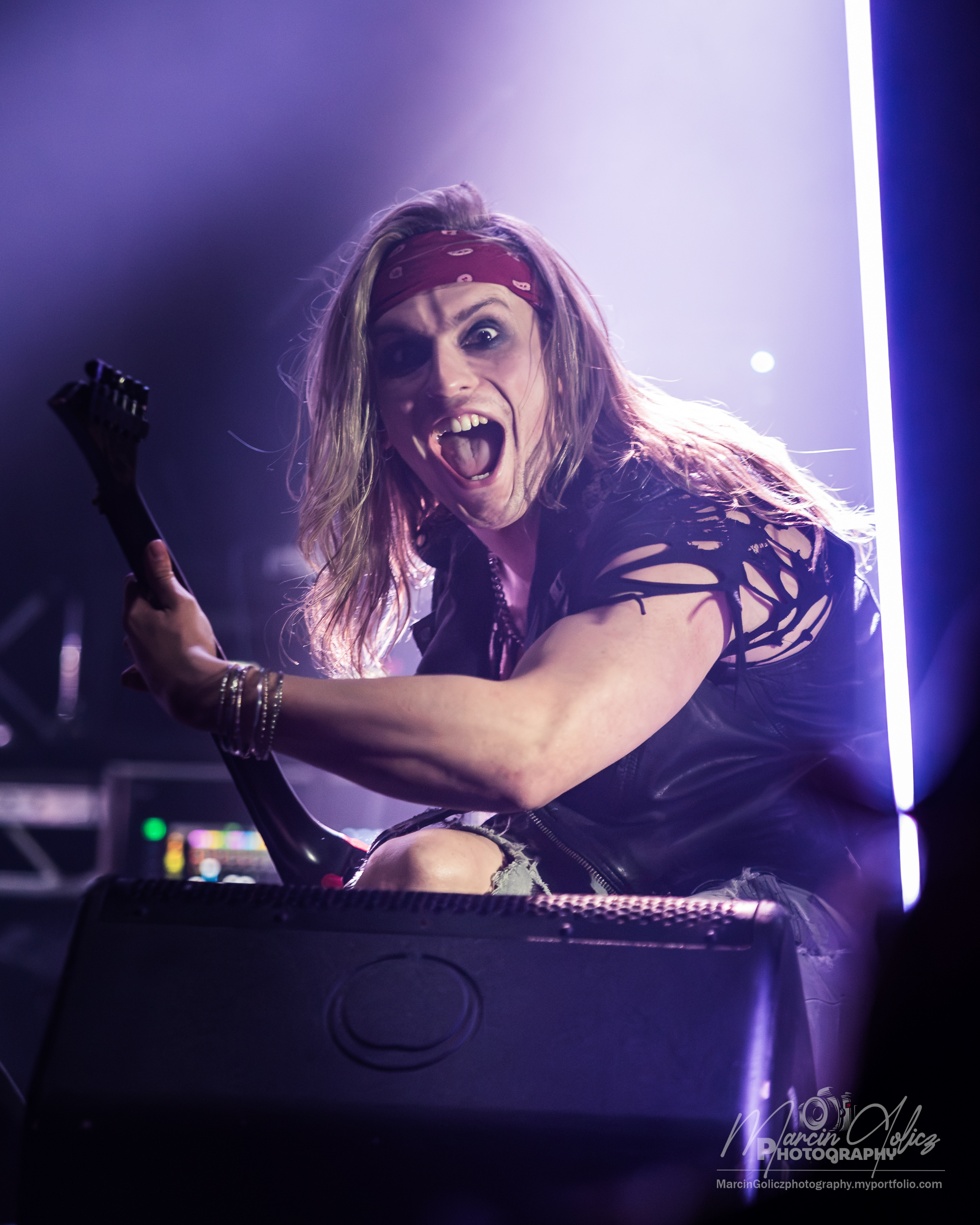
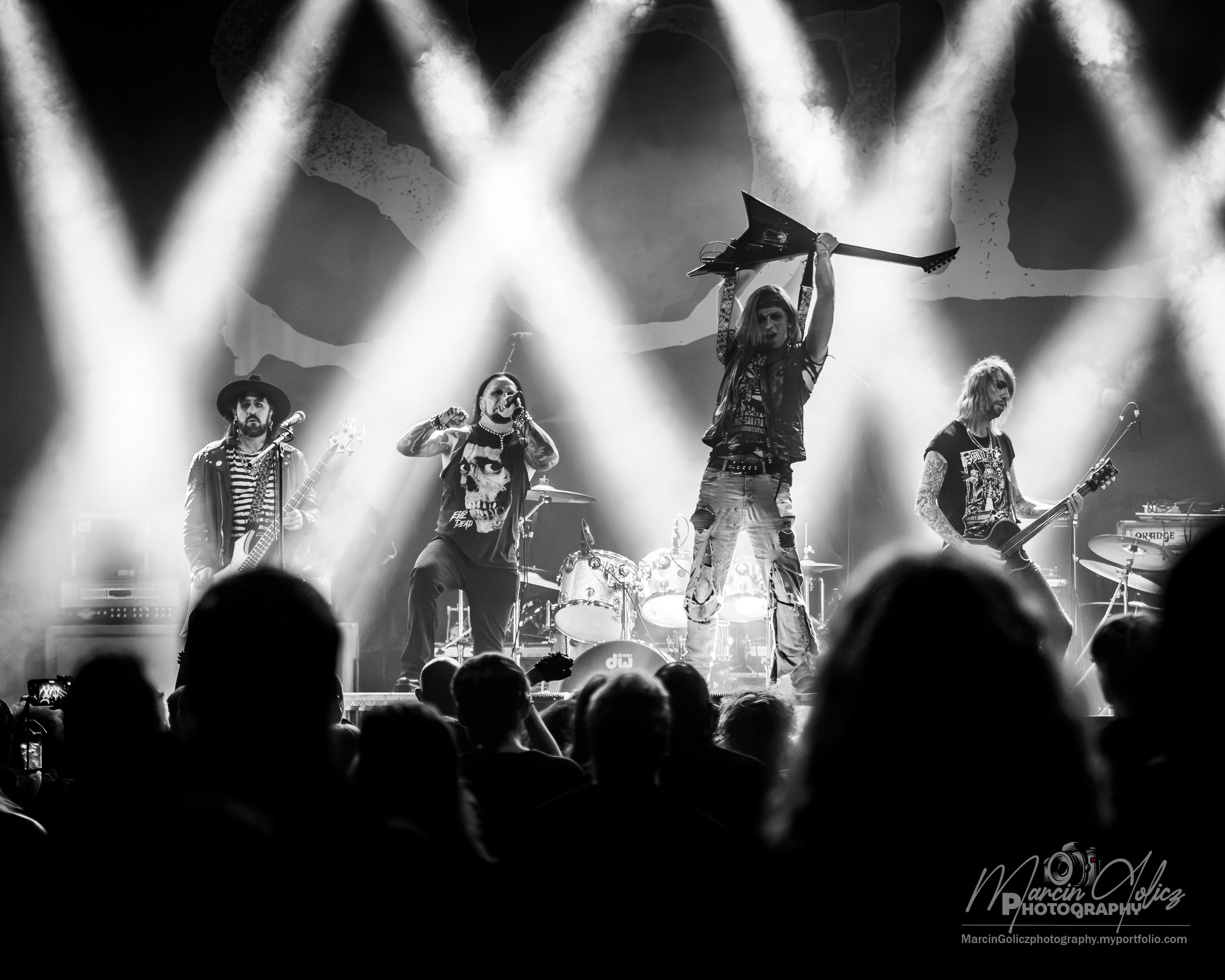
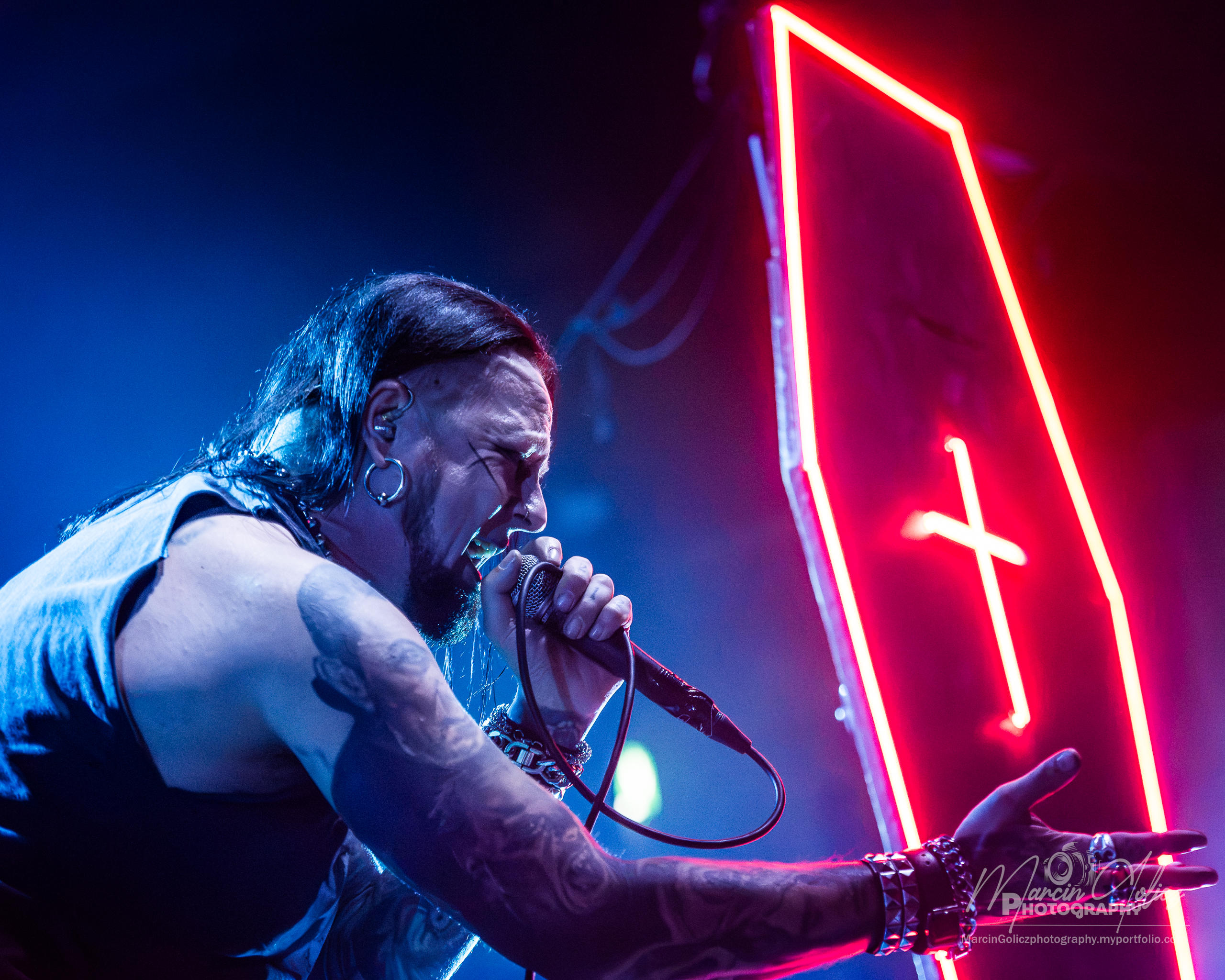
Adema came from Bakersfield, California. The band formed in 2000 and became known for combining alternative metal and nu metal with elements of post-grunge. Original members Tim Fluckey, Mike Ransom and Dave DeRoo remain in the line-up. The rhythm section had a funky, groove-oriented character, while the guitars and vocals moved between melodic alternative rock and aggressive passages.
The sound was sometimes unclear. The instruments blended into one another like voices in a crowded room, and some guitar effects were piercing, high-pitched sounds in place of melodic solos. The audience was growing, however, and many people knew the songs. ‘Unstable’ and ‘Close Friends’ came first, followed by ‘Everyone’ and ‘Immortal’. ‘Freaking Out’ led into ‘The Way You Like It’ and ‘Giving In’, and the final songs received an especially enthusiastic response.
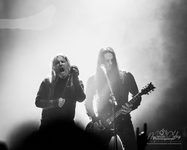
Finger Eleven changed the atmosphere. The Canadian band formed in Burlington, Ontario, in 1990, and their sound moves between alternative rock and post-grunge, with touches of alternative metal and funk. Scott Anderson sang and James Black played lead guitar. Rick Jackett played rhythm guitar, Sean Anderson played bass and Steve Molella played drums.
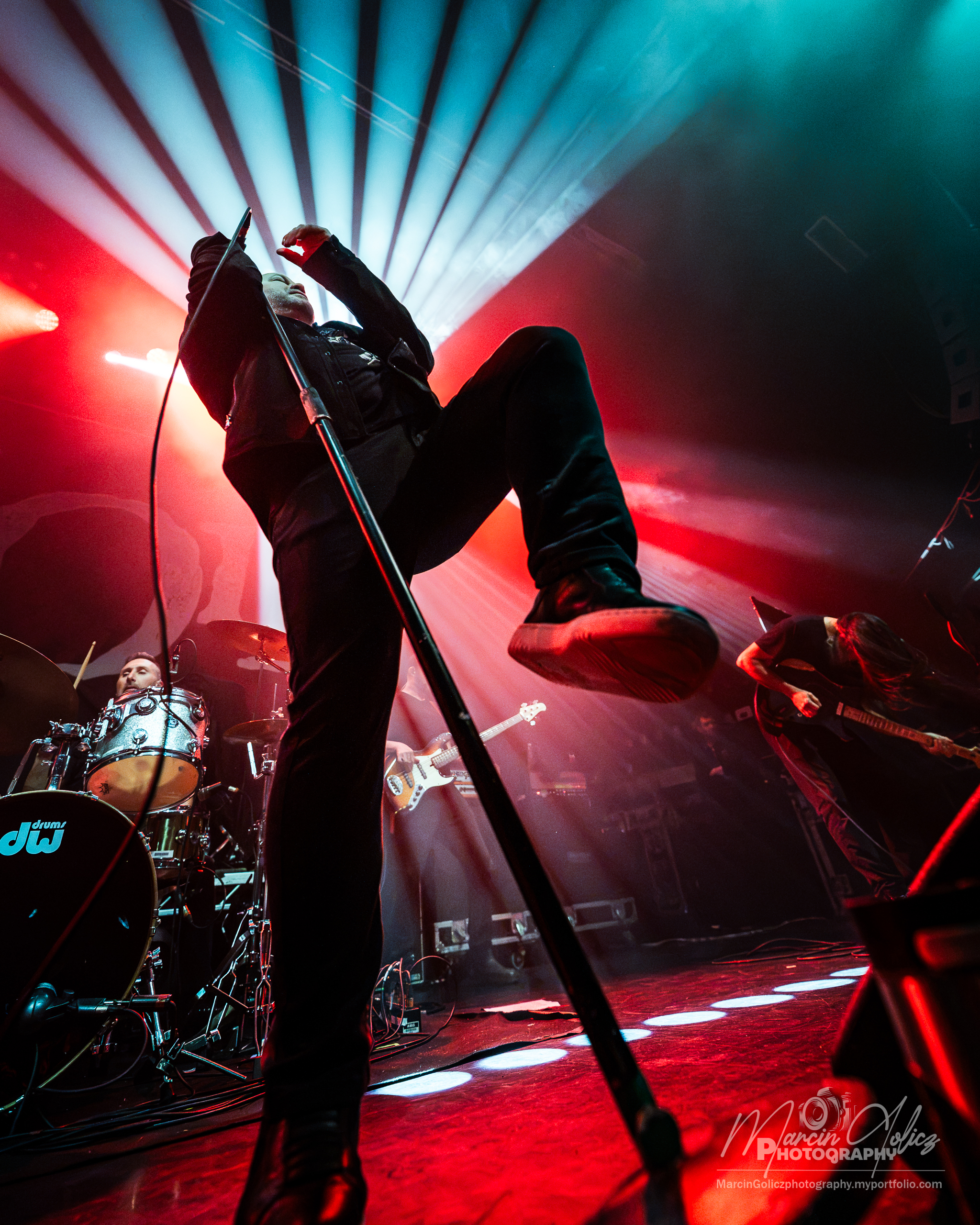
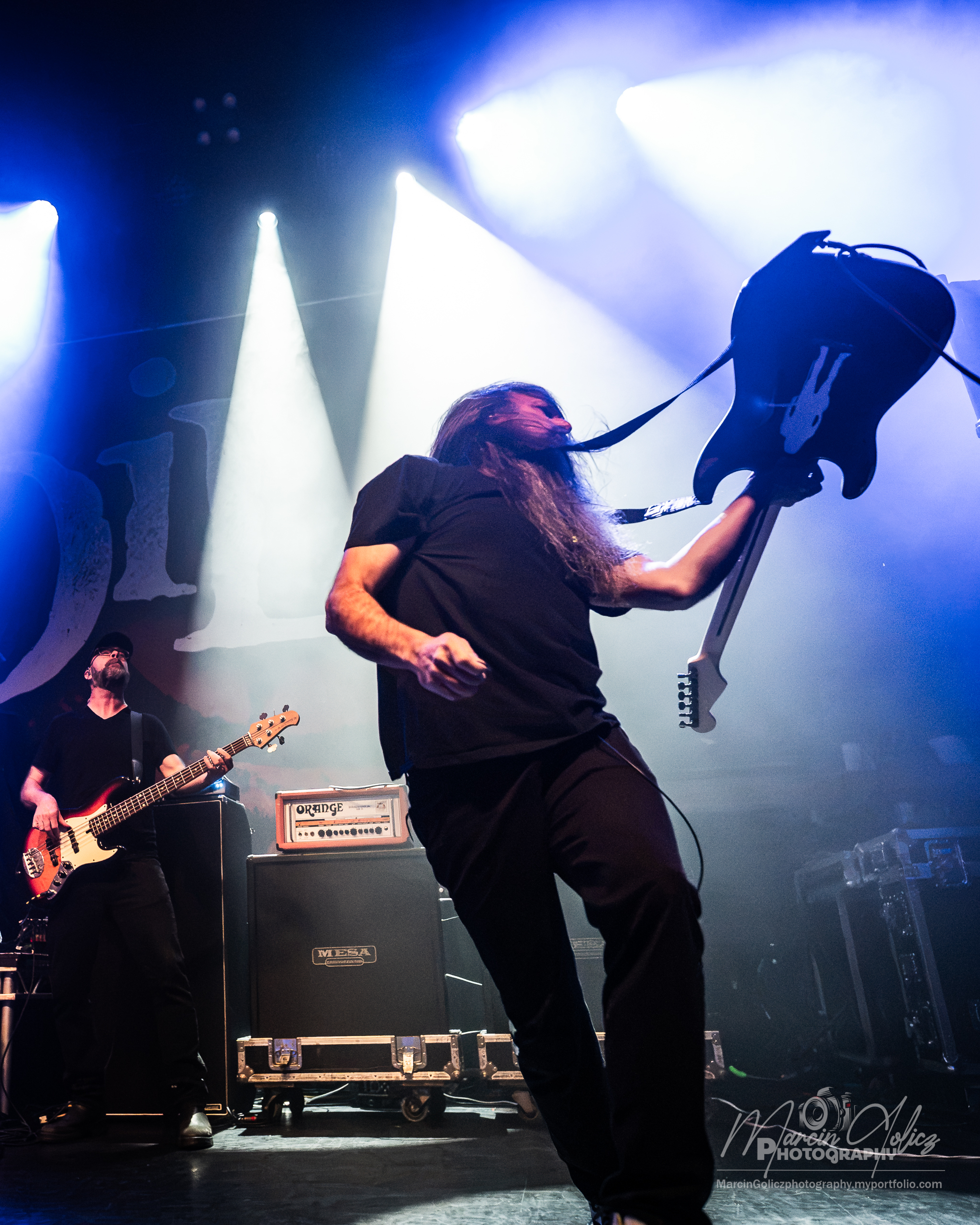
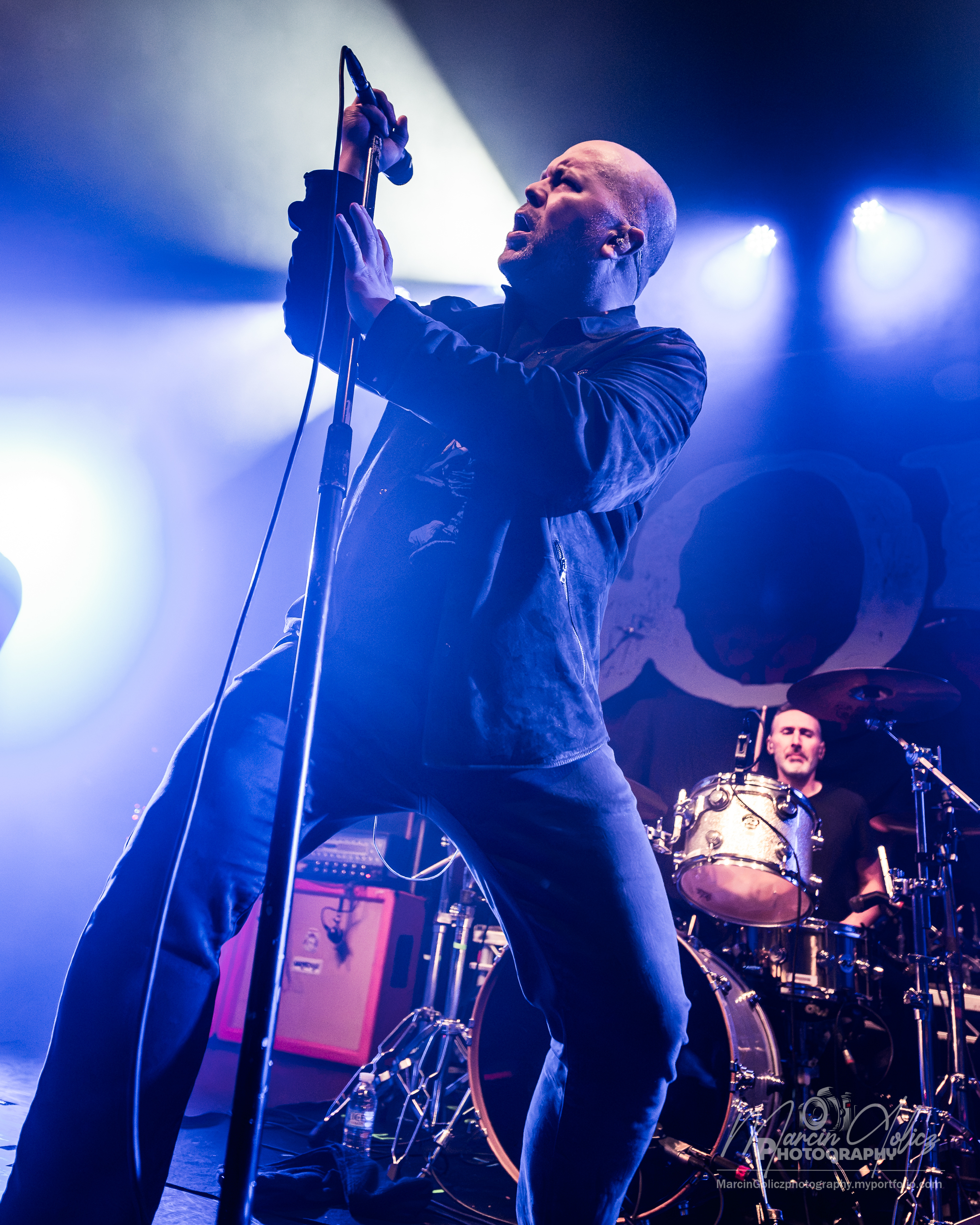
The two guitarists were very active on stage, and their playing joined heavy riffs and rhythmic passages with unusual effects. The bass gave a solid base, although Sean Anderson stayed less visible than the others. The sound was sometimes slightly psychedelic, with strong melodies throughout.
‘Above’ and ‘Adrenaline’ showed the heavier side of the catalogue, and ‘First Time’ and ‘Slow Chemical’ did the same. ‘Quicksand’ and ‘The Mountain’ added more weight. Scott Anderson showed considerable vocal range. The acoustic arrangement of ‘One Thing’ was one of the quieter moments of the evening, and it worked like a quiet room between two loud streets. ‘Together Right’ and ‘Good Times’ brought the energy back.
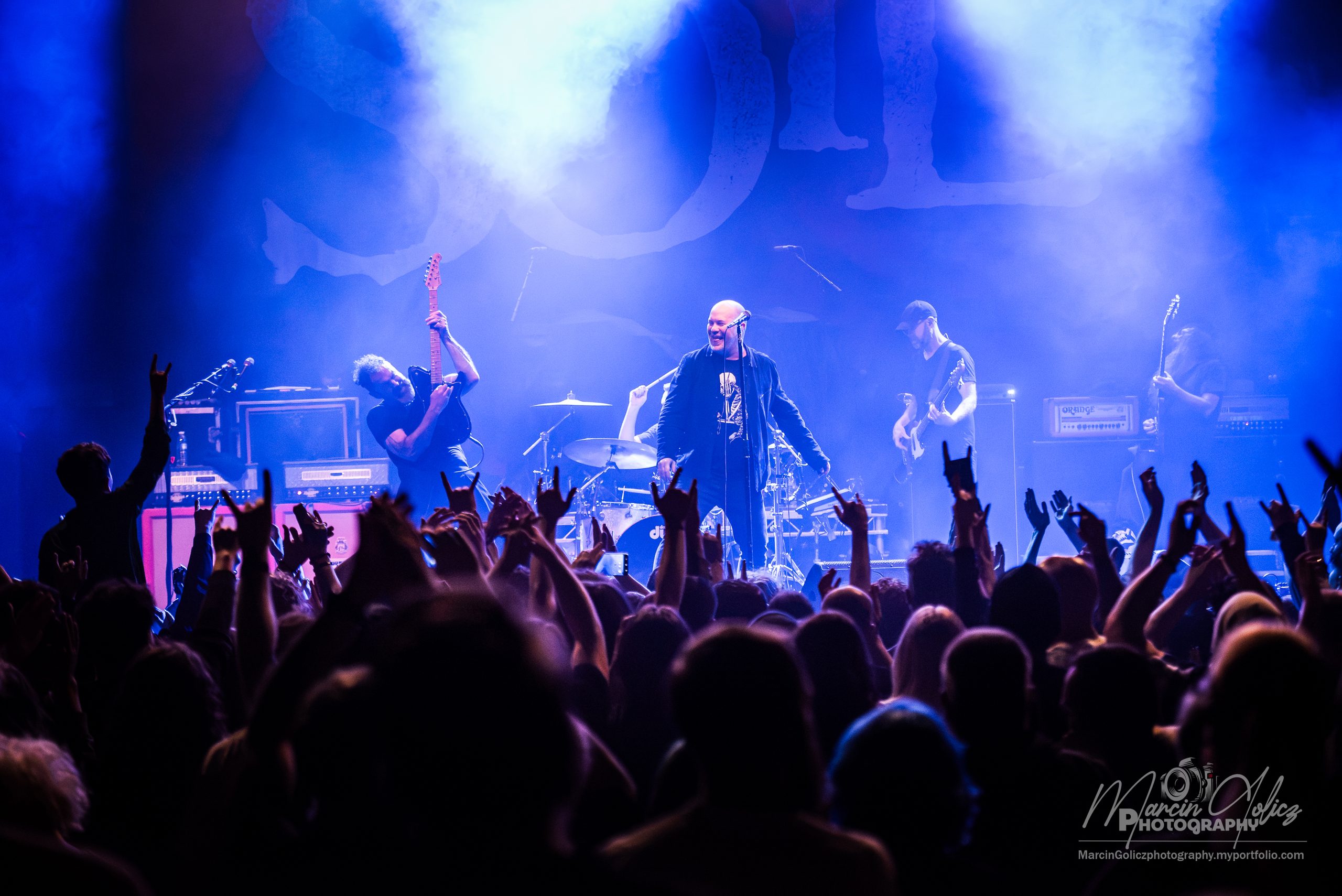
By then the room was full, and the response was strong. ‘Paralyzer’ ended the set, with a strong bass line and an audience that turned the final section into a singalong. Finger Eleven showed a catalogue far wider than one radio hit.
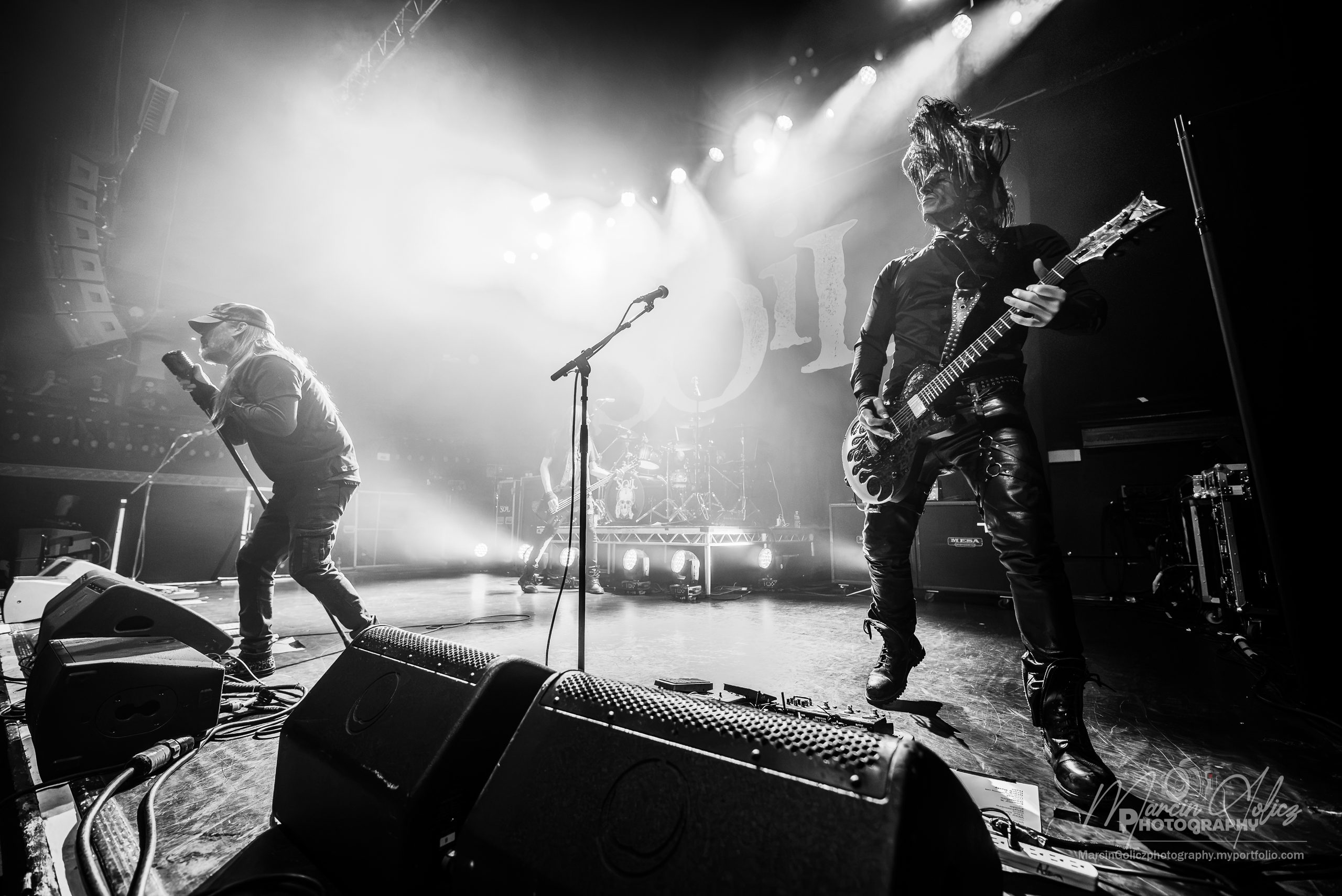
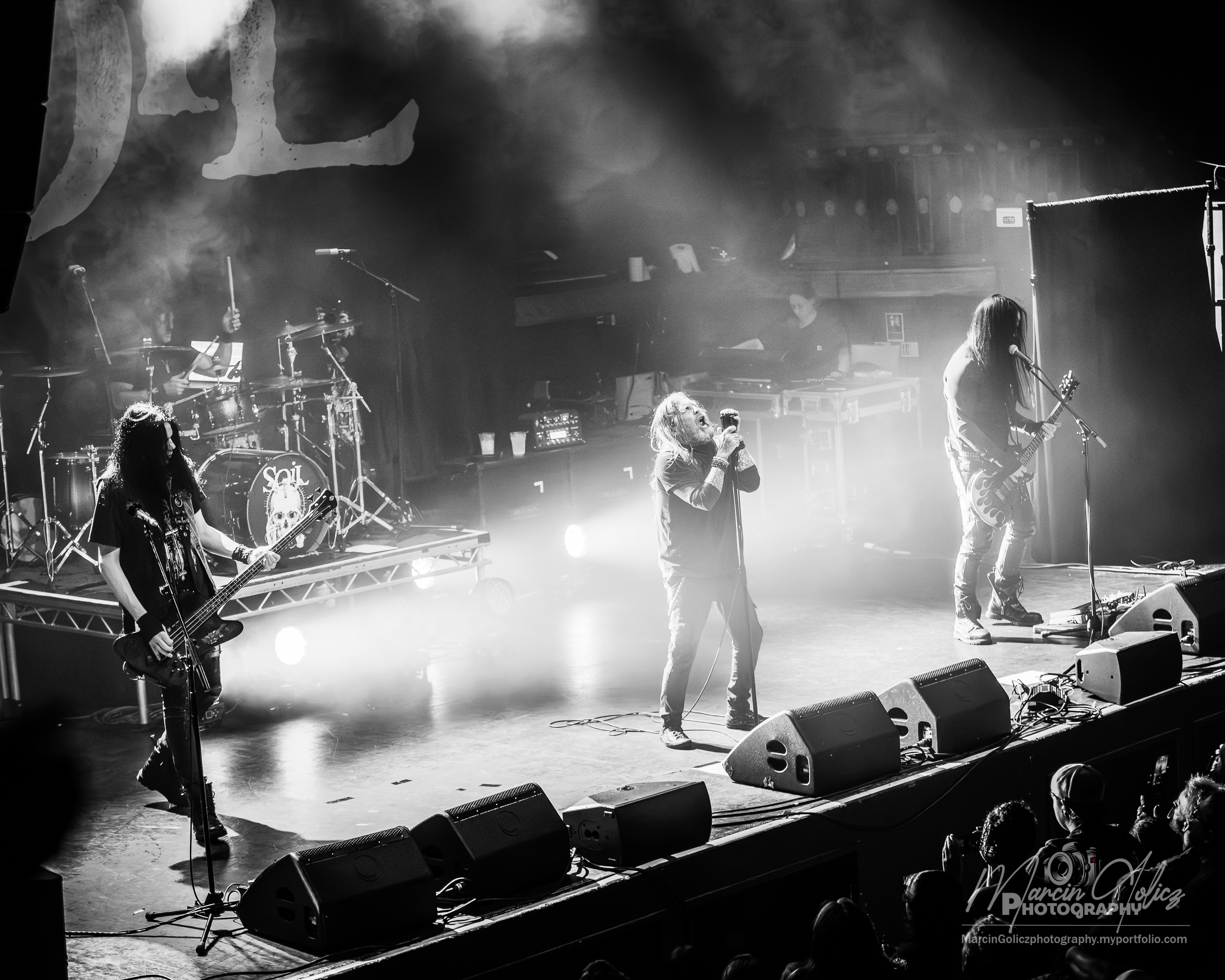
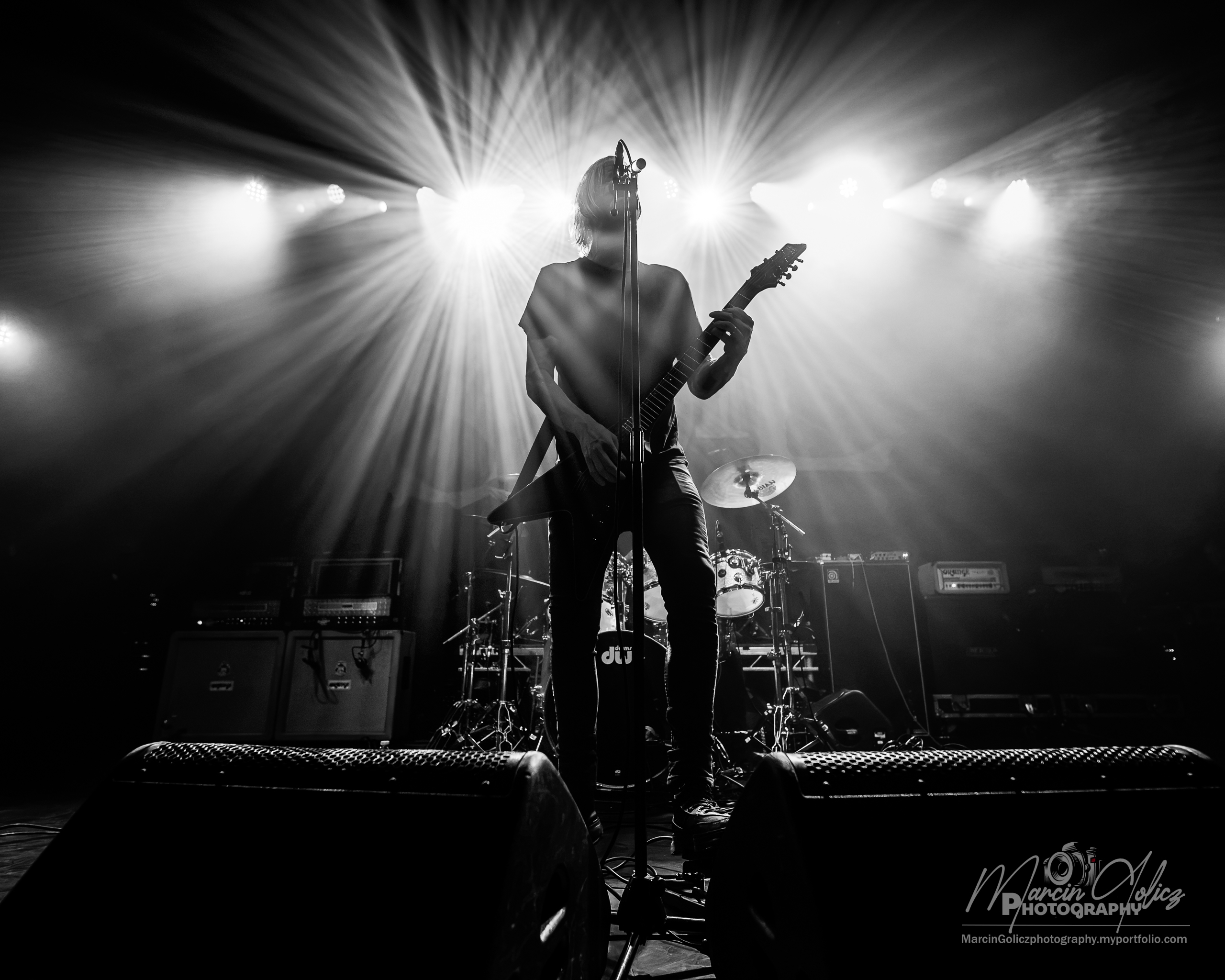
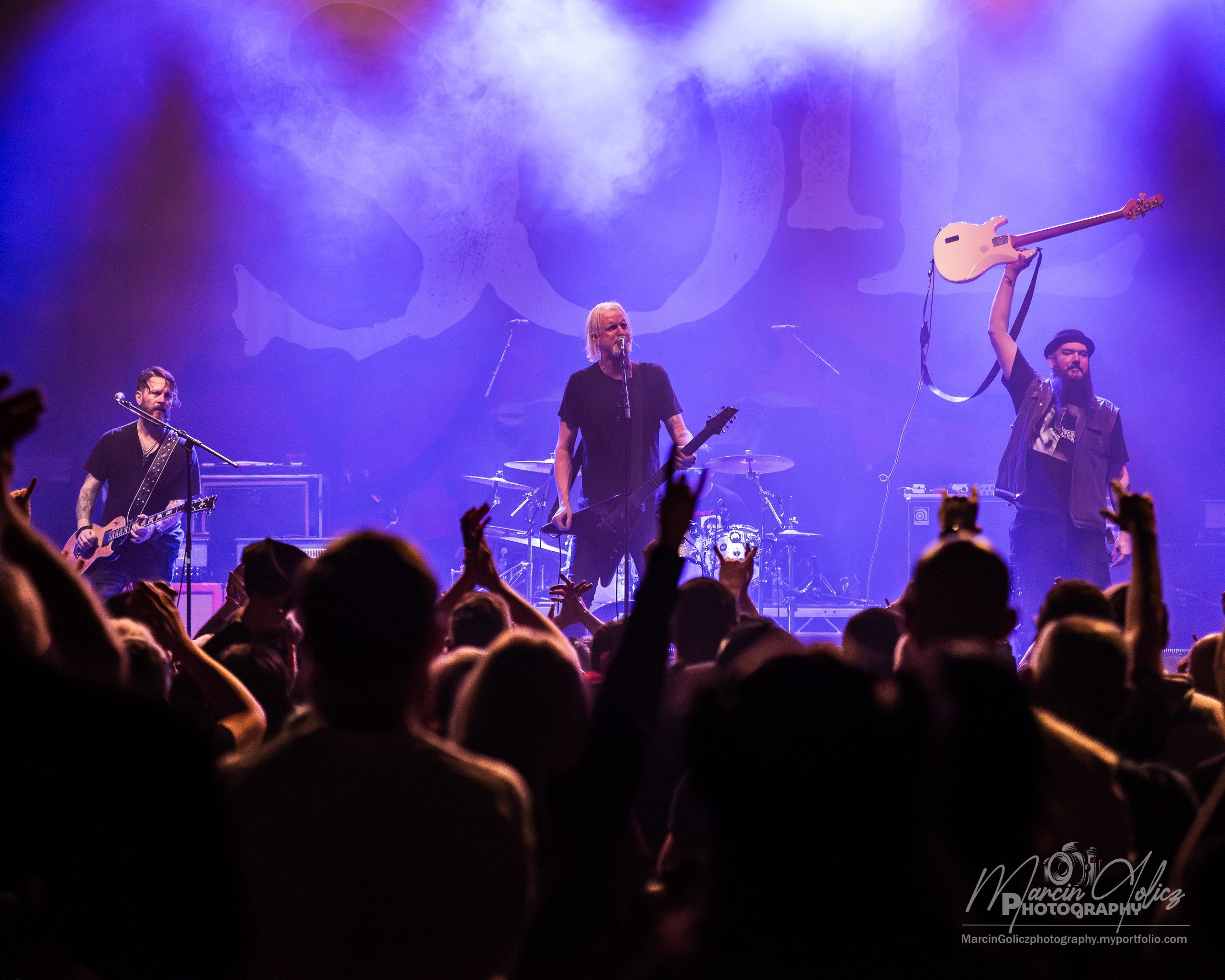
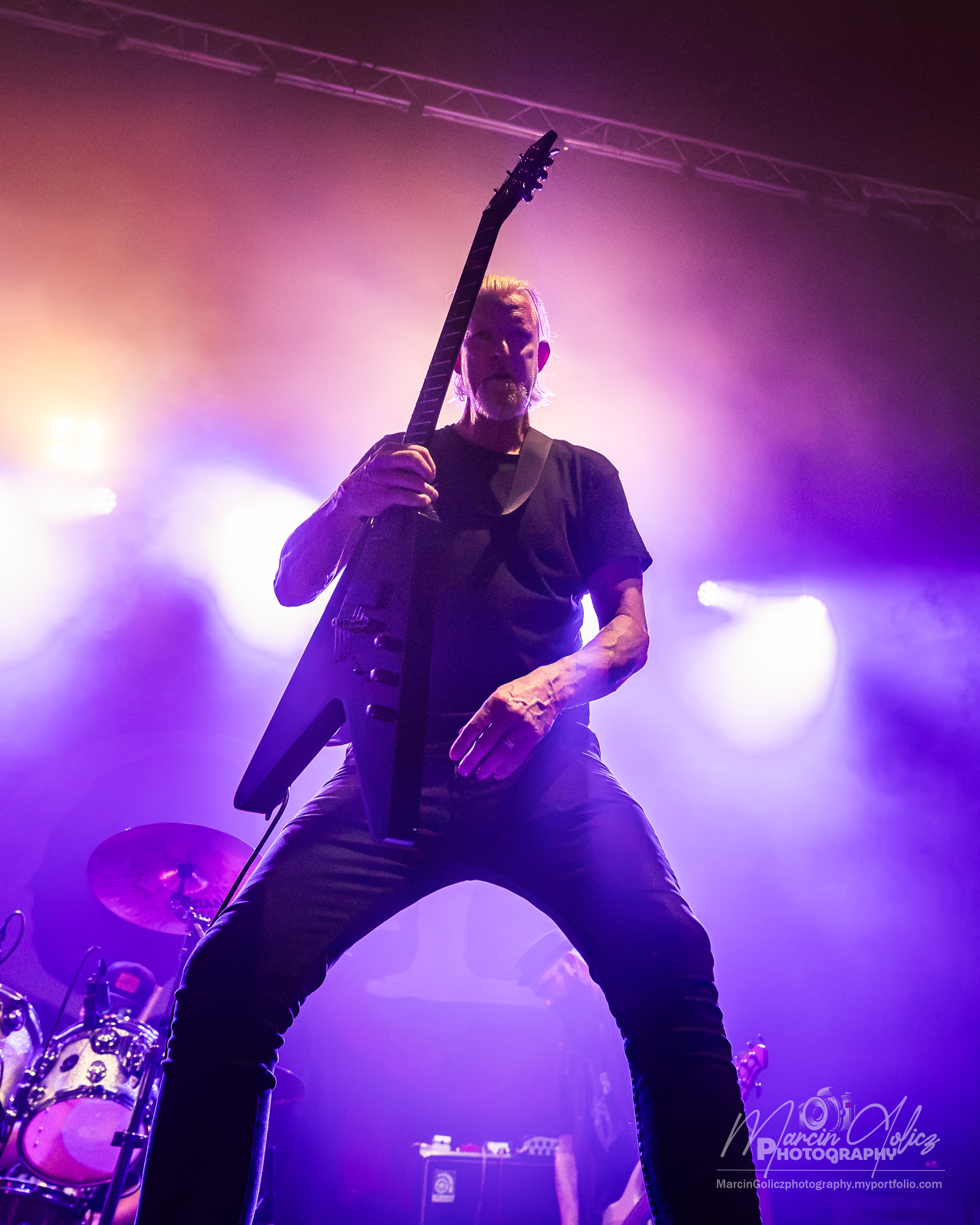
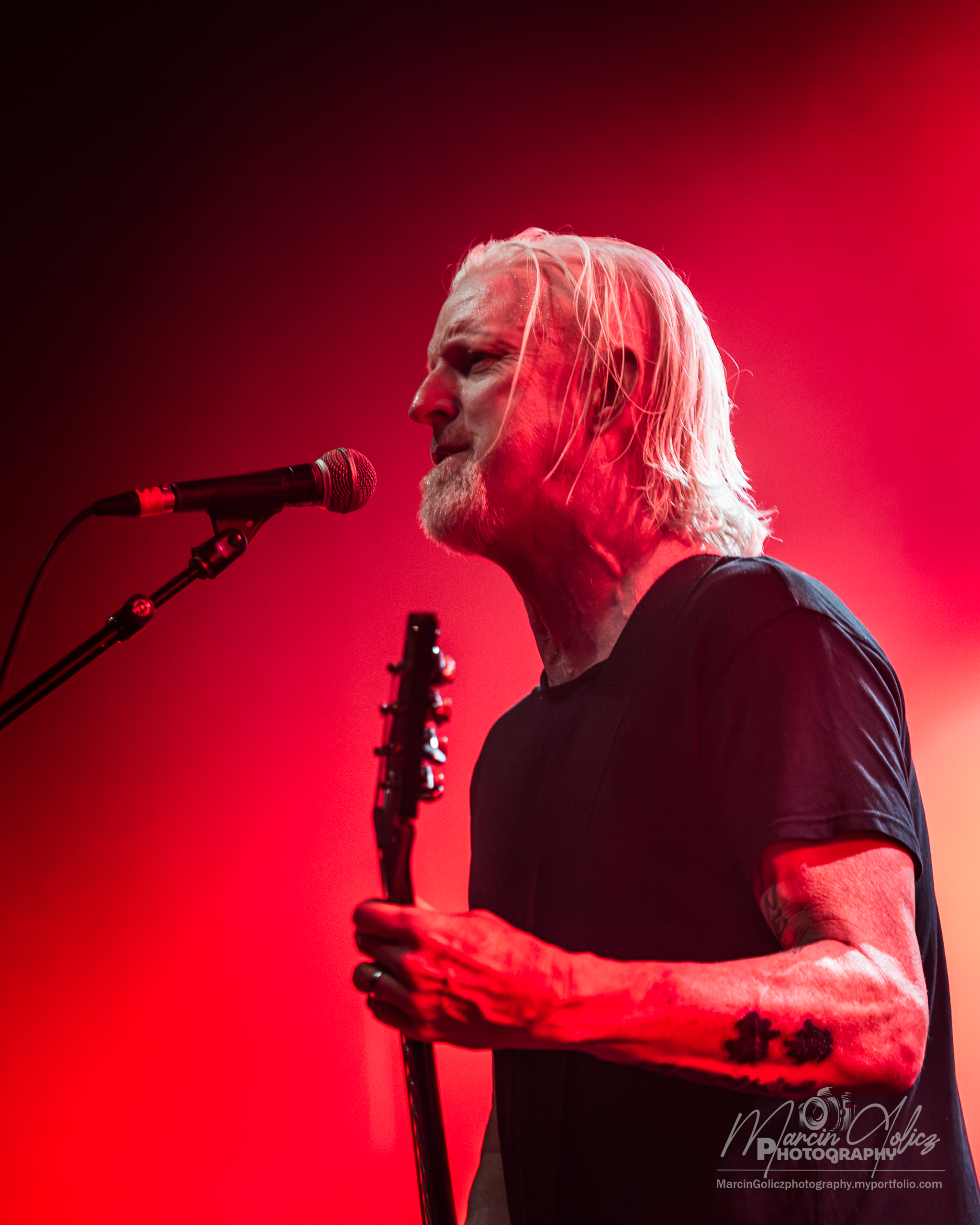
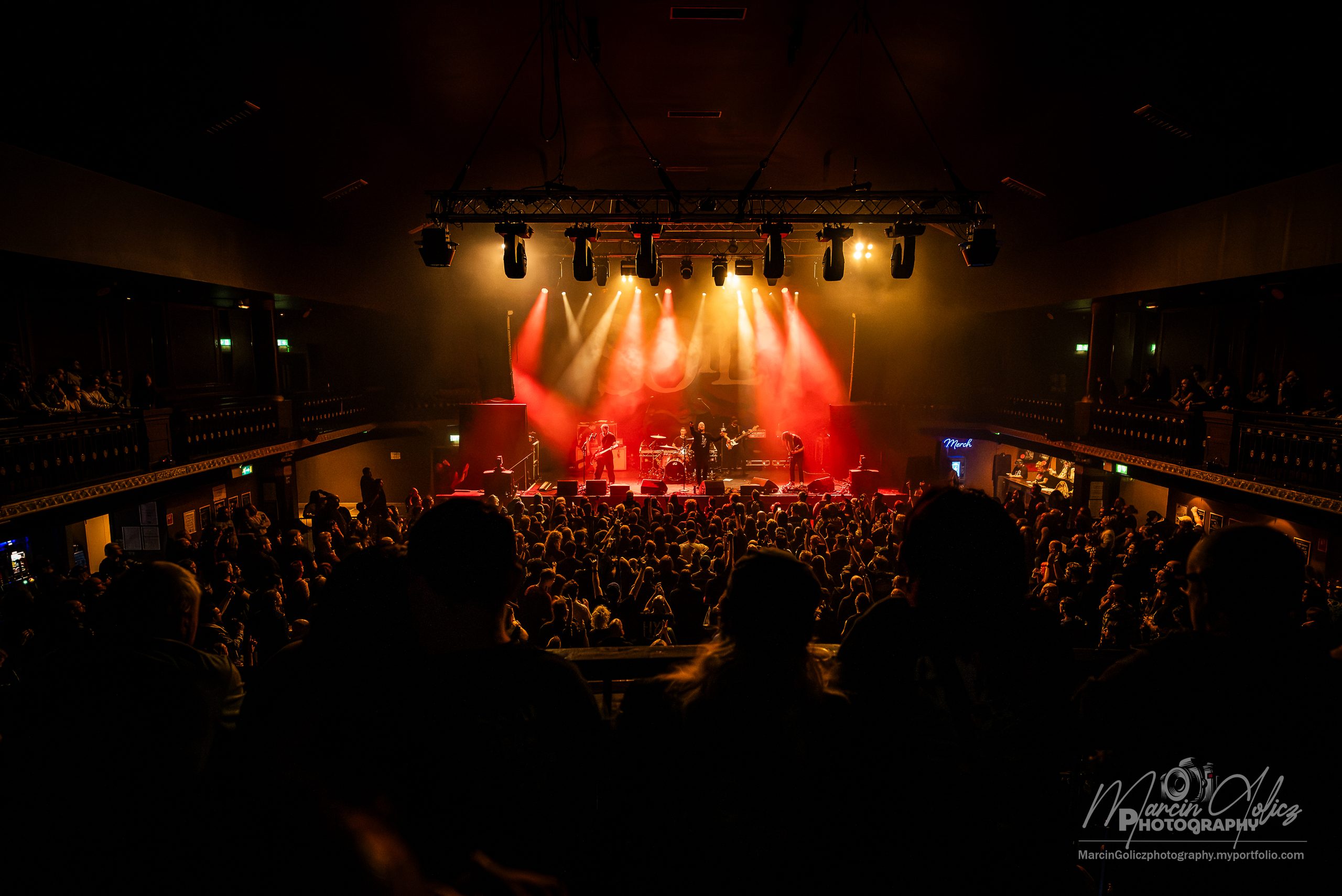
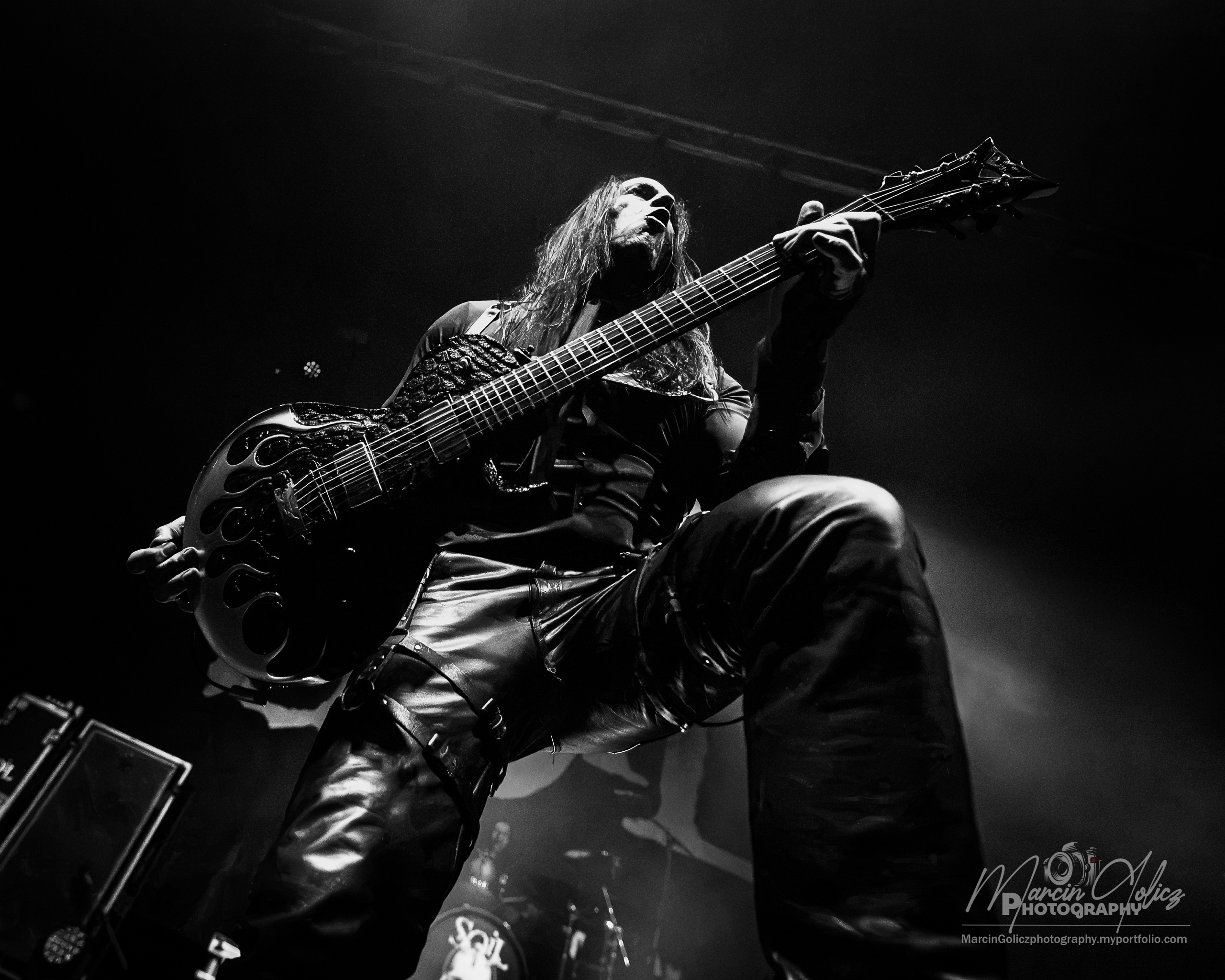
By the time SOiL took the stage, the O2 Ritz was full. The opening was powerful. Photographing the band was a challenge, because the lighting was very dark and the guitar and bass players often almost disappeared into the shadows. Even so, the darkness and occasional flashes of light suited the music.
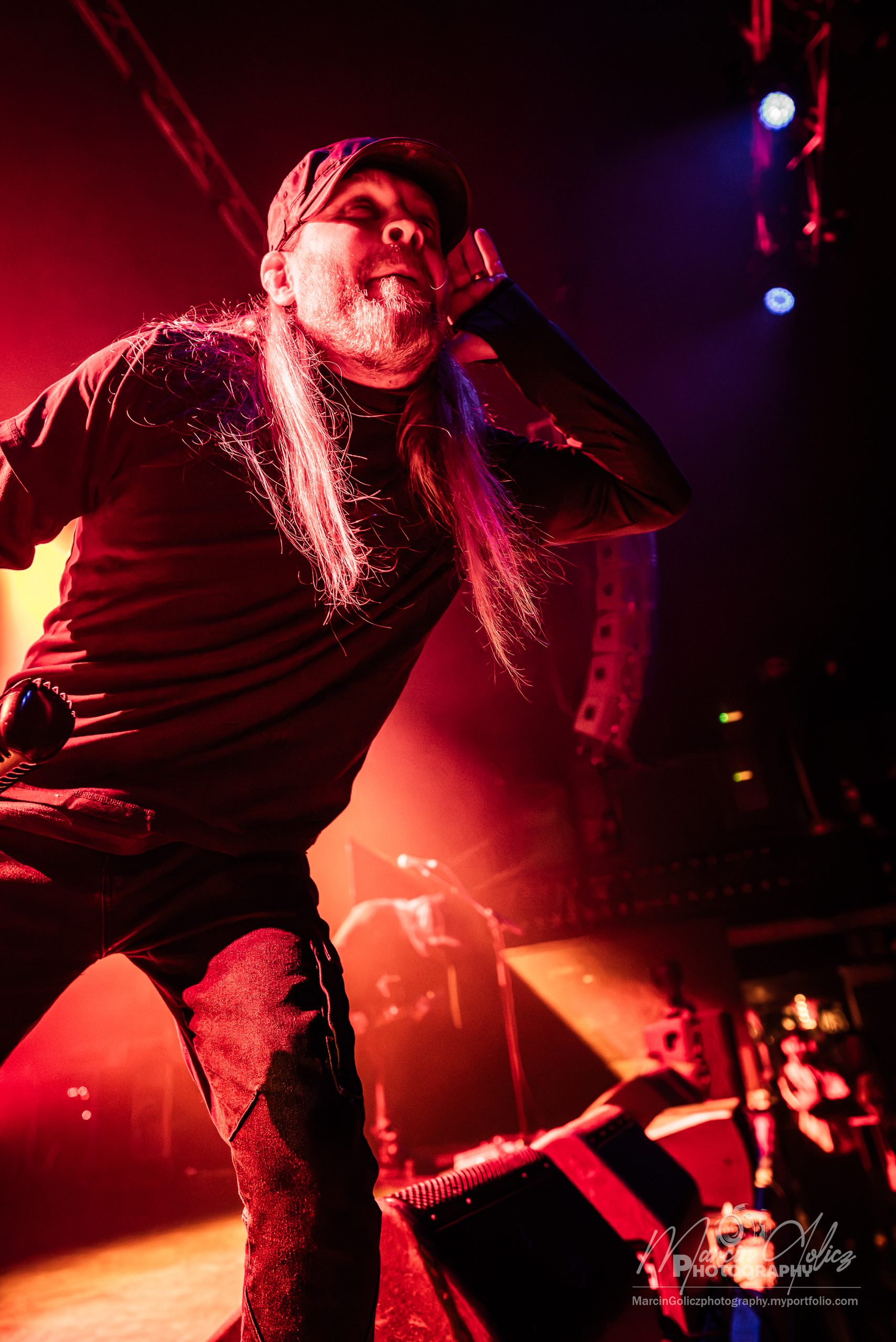
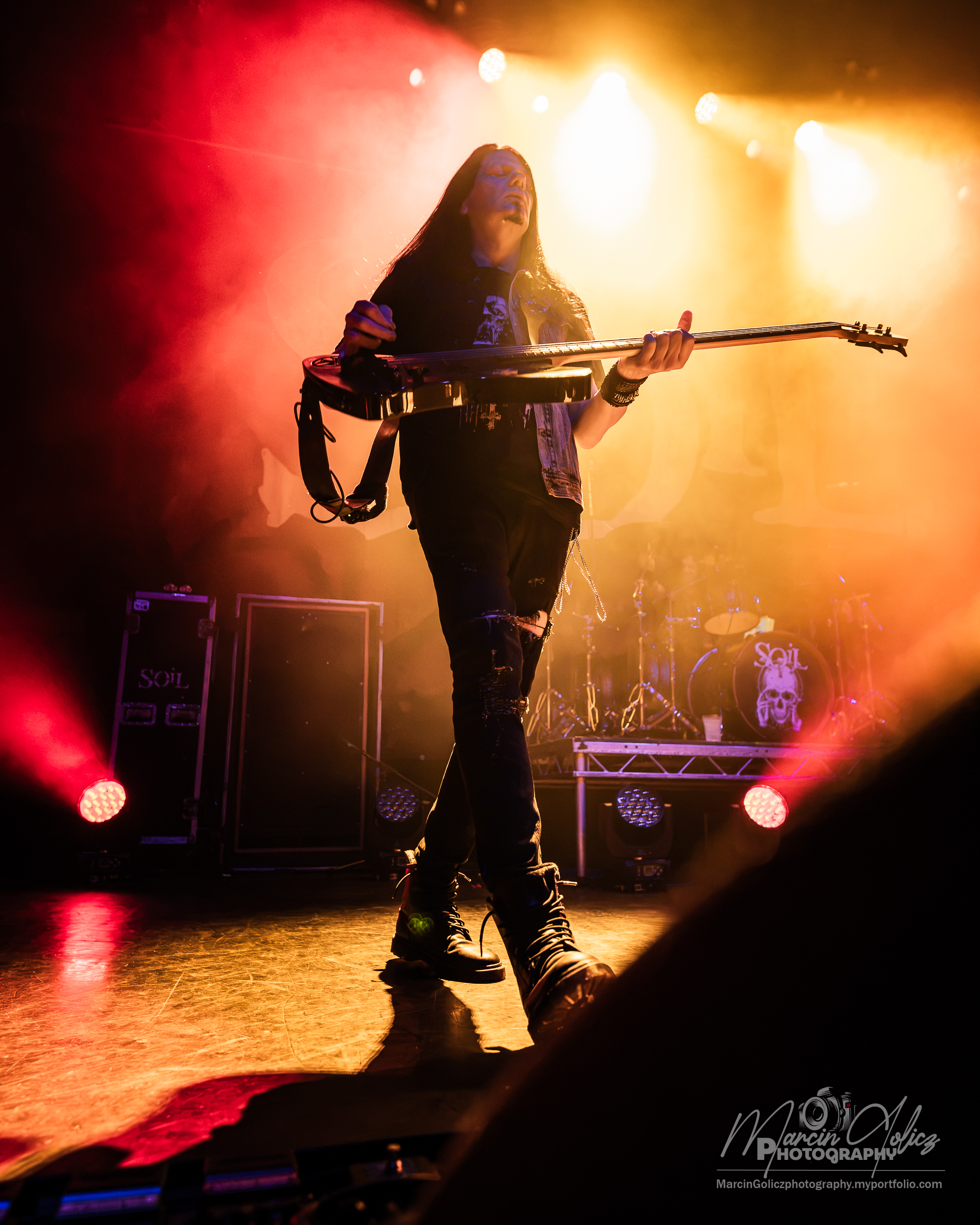
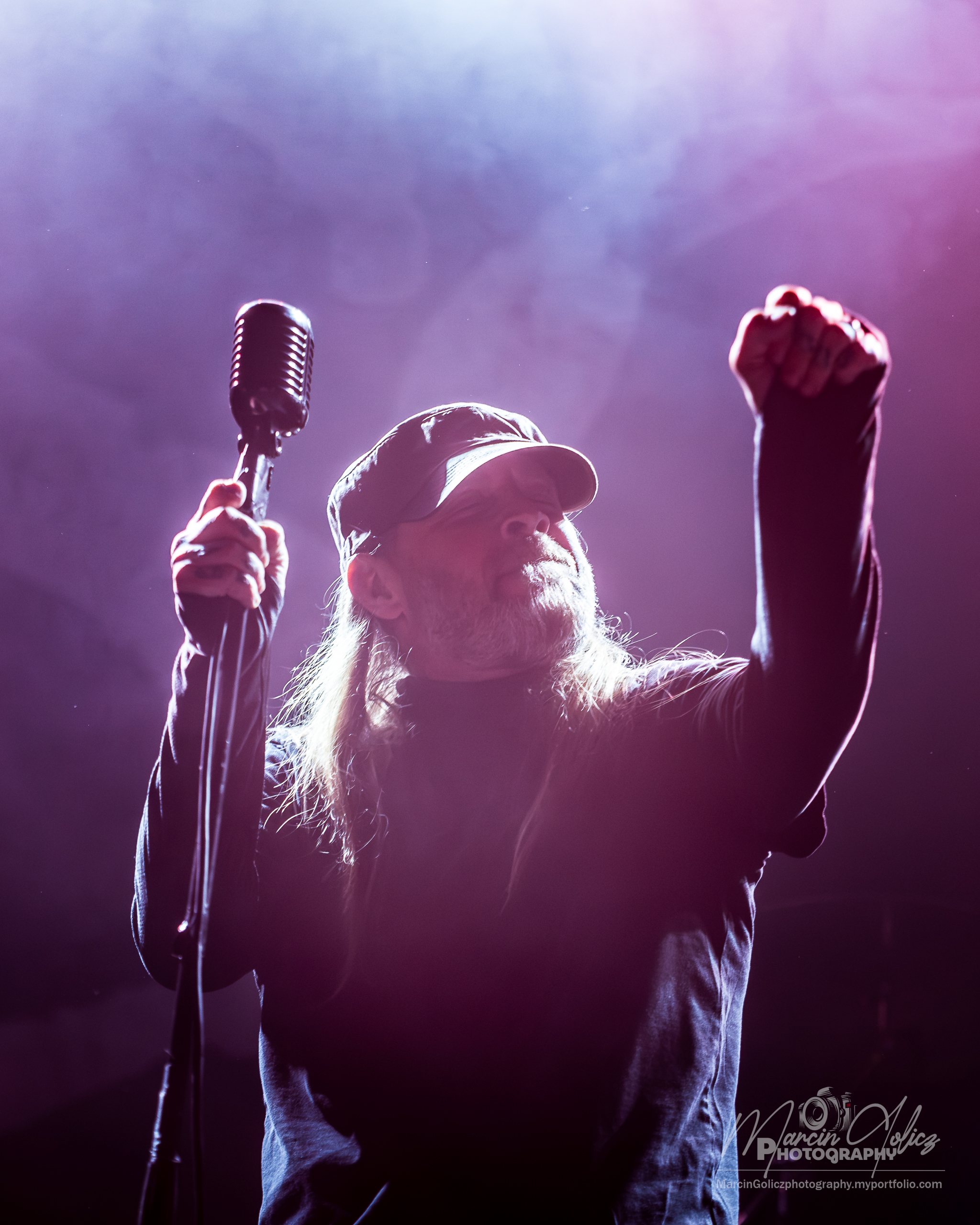
SOiL became closely linked with the American alternative metal scene of the early 2000s. The band formed in Chicago in 1997 and had its greatest commercial success with Scars (2001), followed by Redefine (2004). Original members Ryan McCombs on vocals, Tim King on bass and Adam Zadel on guitar remain in the line-up, with TJ Taylor on drums.
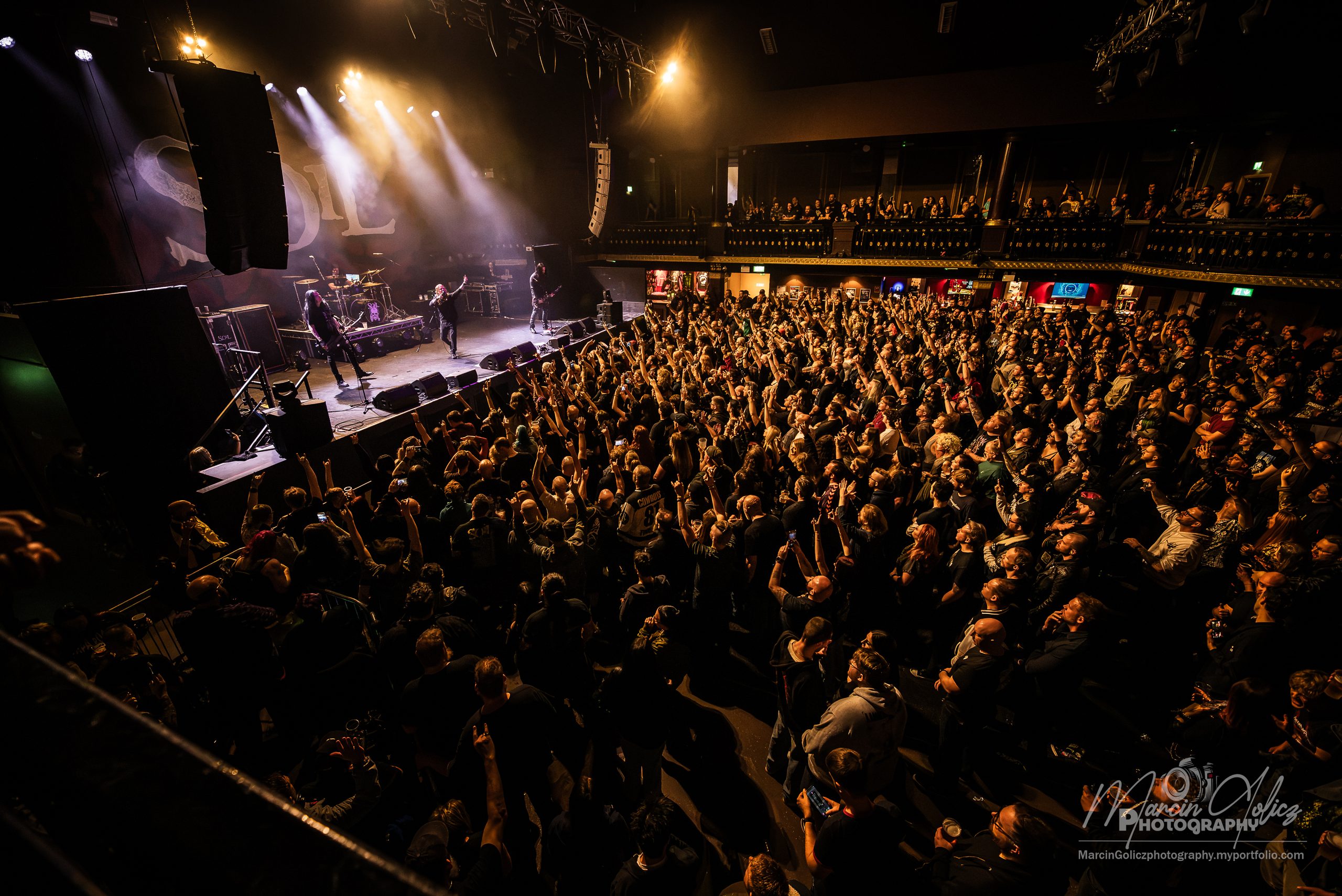
‘Breaking Me Down’ opened the show and set its direction. Powerful guitar riffs drove the heavy sound, Zadel gave much of the musical weight, and the bass and drums supplied a solid base. The arrangements stayed direct, with strong choruses, and the songs followed a straight line from riff to chorus, like a road without side turns.
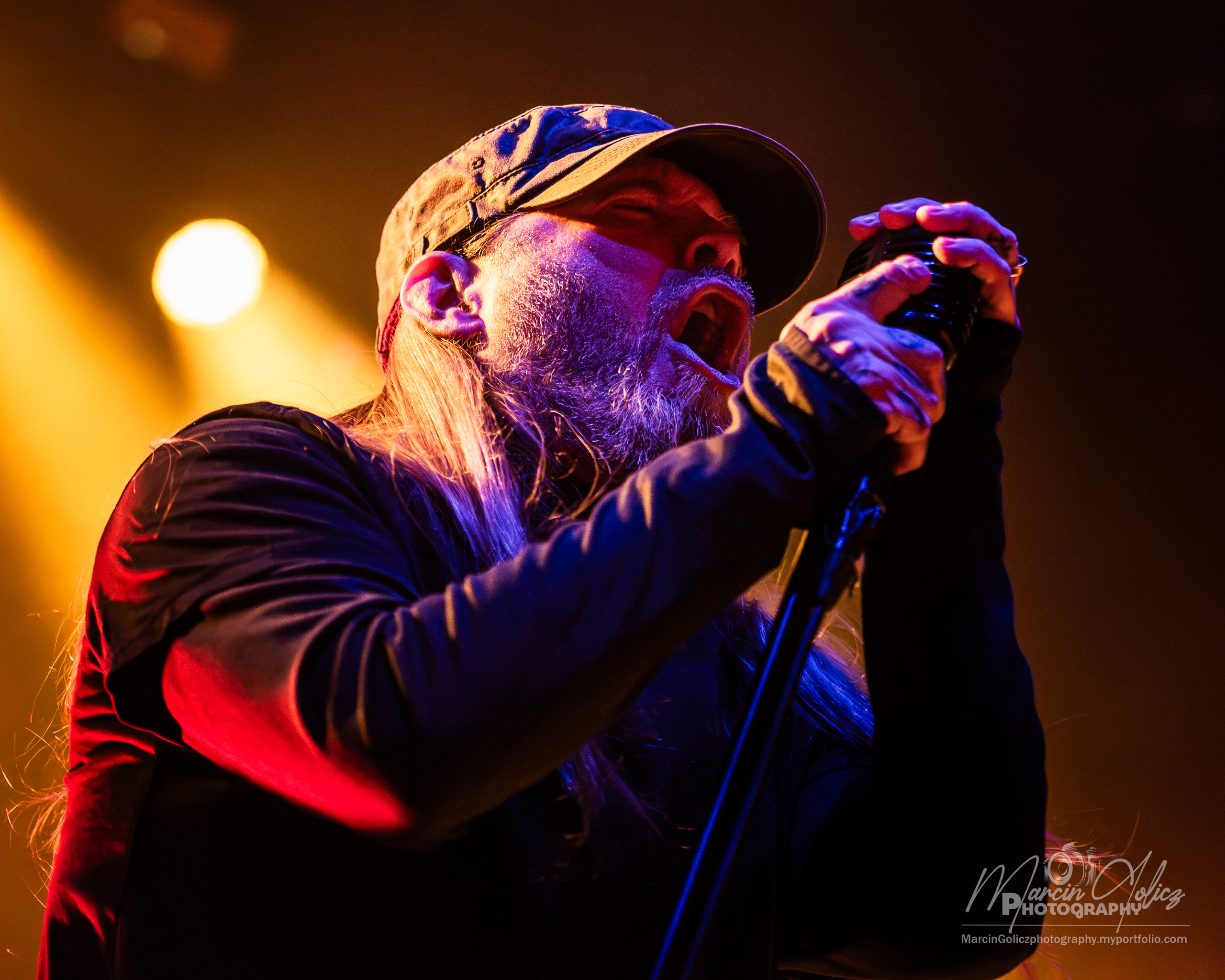
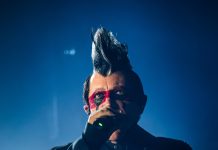
McCombs was the central figure. His voice moved between a fairly clean, masculine delivery and much more aggressive screams and growls, and the contrast worked well in ‘Hate Song’ and ‘Wide Open’.
The set continued with ‘Way Gone’ and ‘The One’, and a short introduction led into ‘Nightmare’. That song first appeared on the band’s 2022 covers album Play It Forward, where SOiL gave the Halsey song a much heavier interpretation. ‘Pride’ followed and kept the intensity high, and ‘Enemy X’ and ‘Redefine’ brought more familiar material into the set.
The show asked a great deal of McCombs. His voice was in good form, although at times he ran short of breath and rested briefly between songs. He kept up impressive energy, and the experience of the band showed in the tightness of the arrangements.