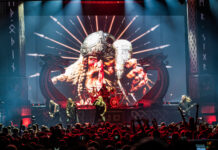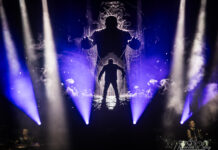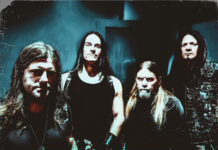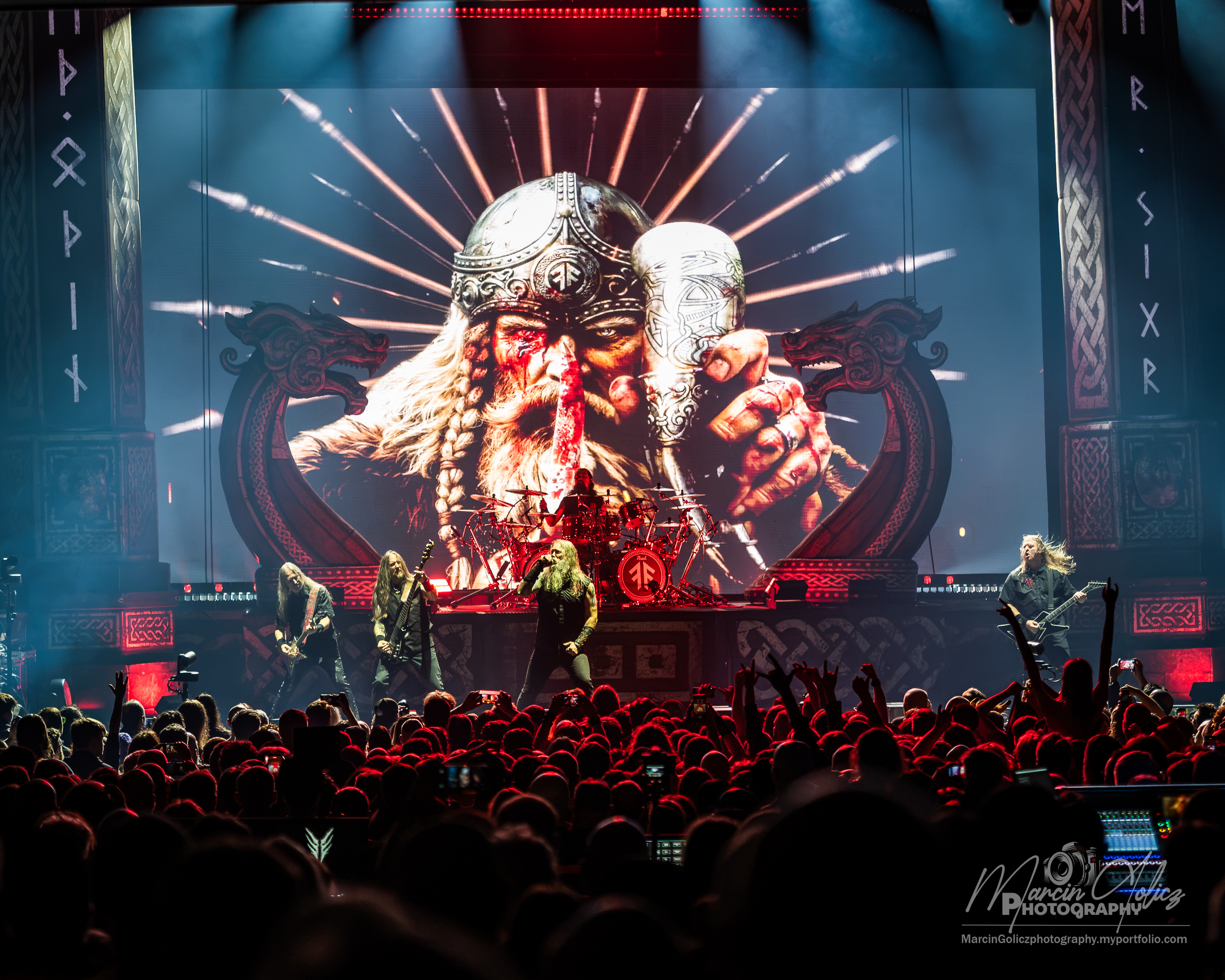
Amon Amarth have recently cemented themselves as the premier up and coming arena contender, with their gigantic stage show complete with props and pyrotechnics. The Swedish Vikings touched down in the UK and immediately made their way to Manchester, accompanied by one of the main contributors to the future of metal, Orbit Culture, and melodic death metal progenitors, Soilwork.
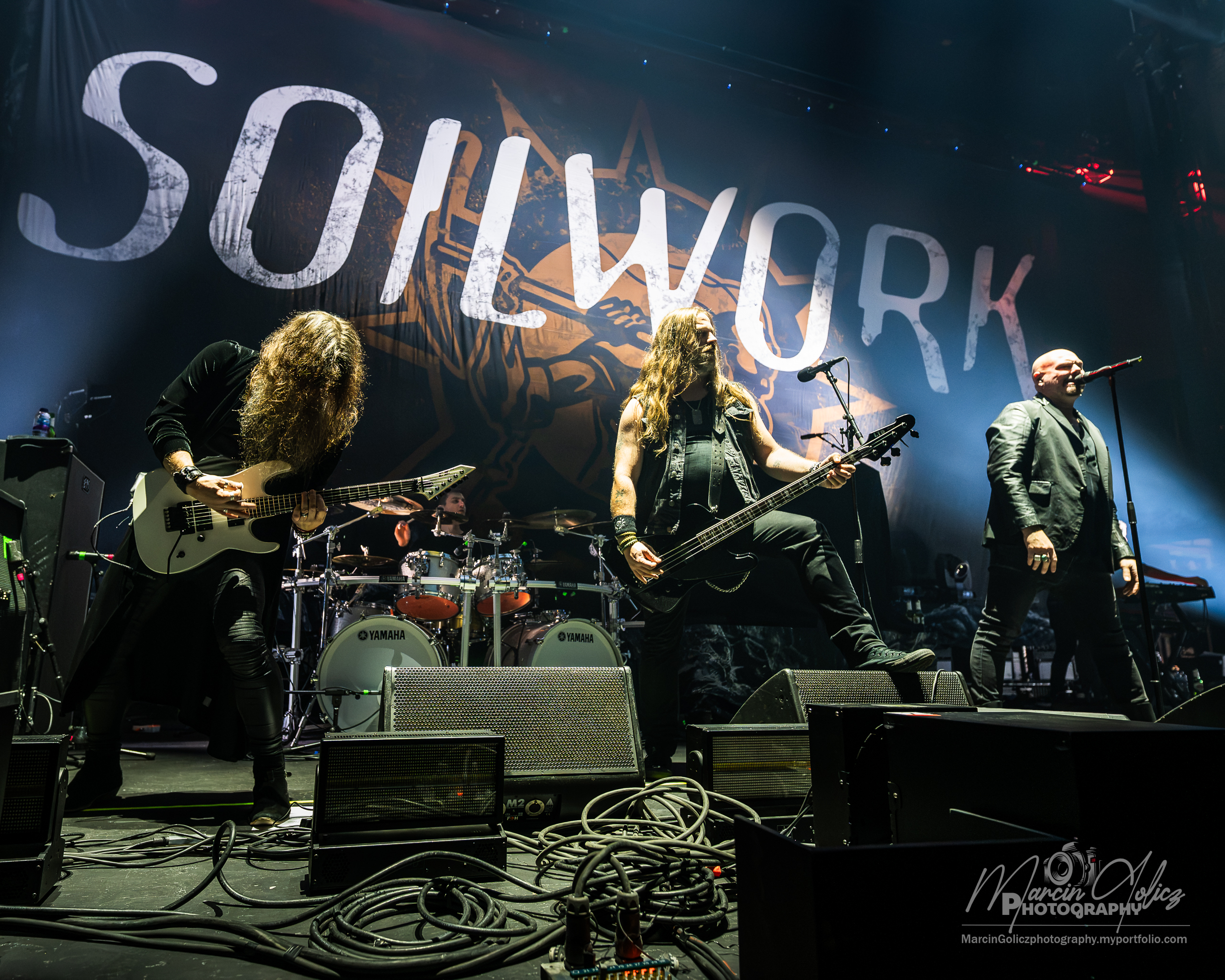
Technical problems held things up, but after just a 10 minute delay, Soilwork rushed the stage. Björn “Speed” Strid looked sharp and ready to throw down, with tracks like ‘Spirit of No Return’ showing off his incredibly versatile vocal ability.
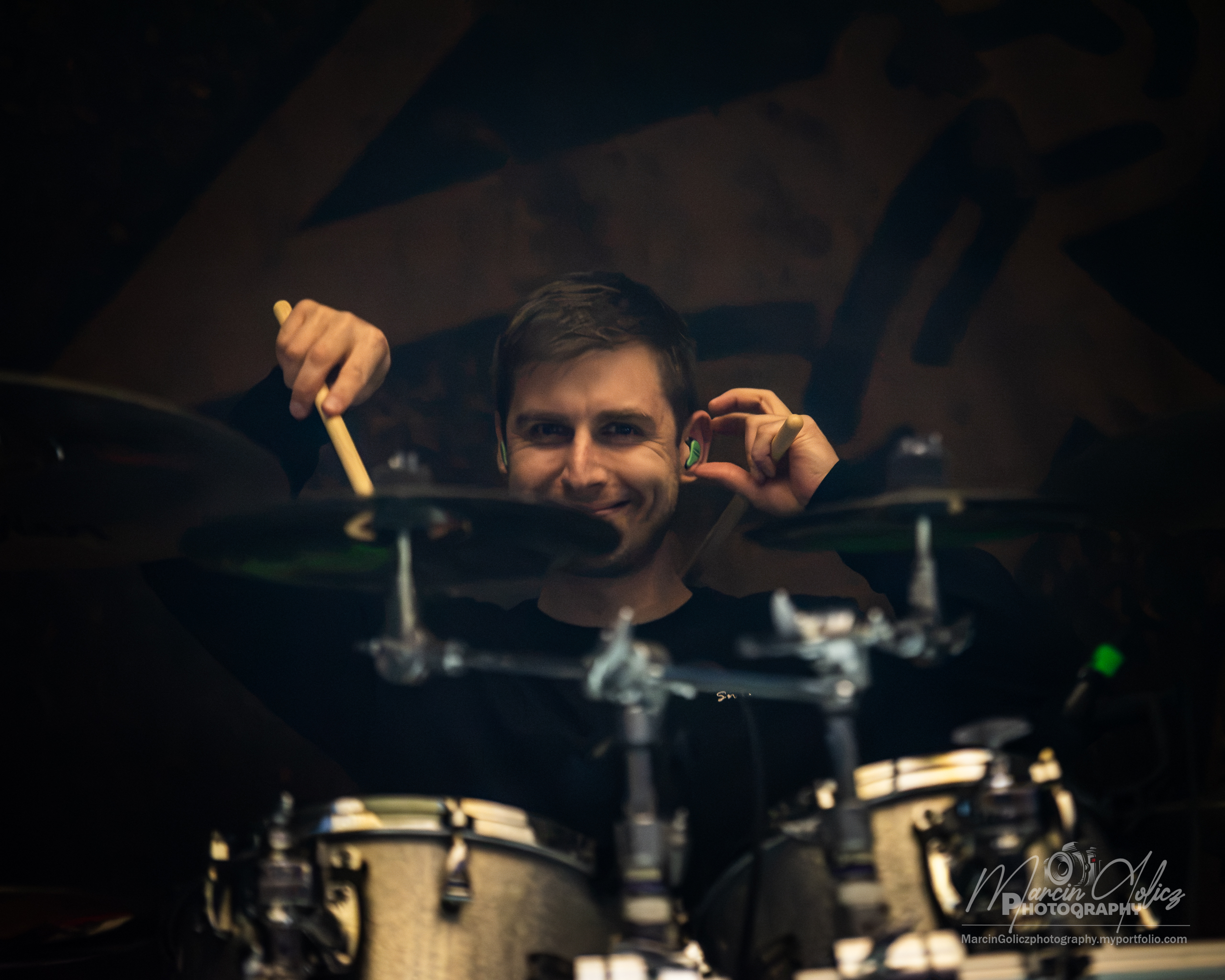
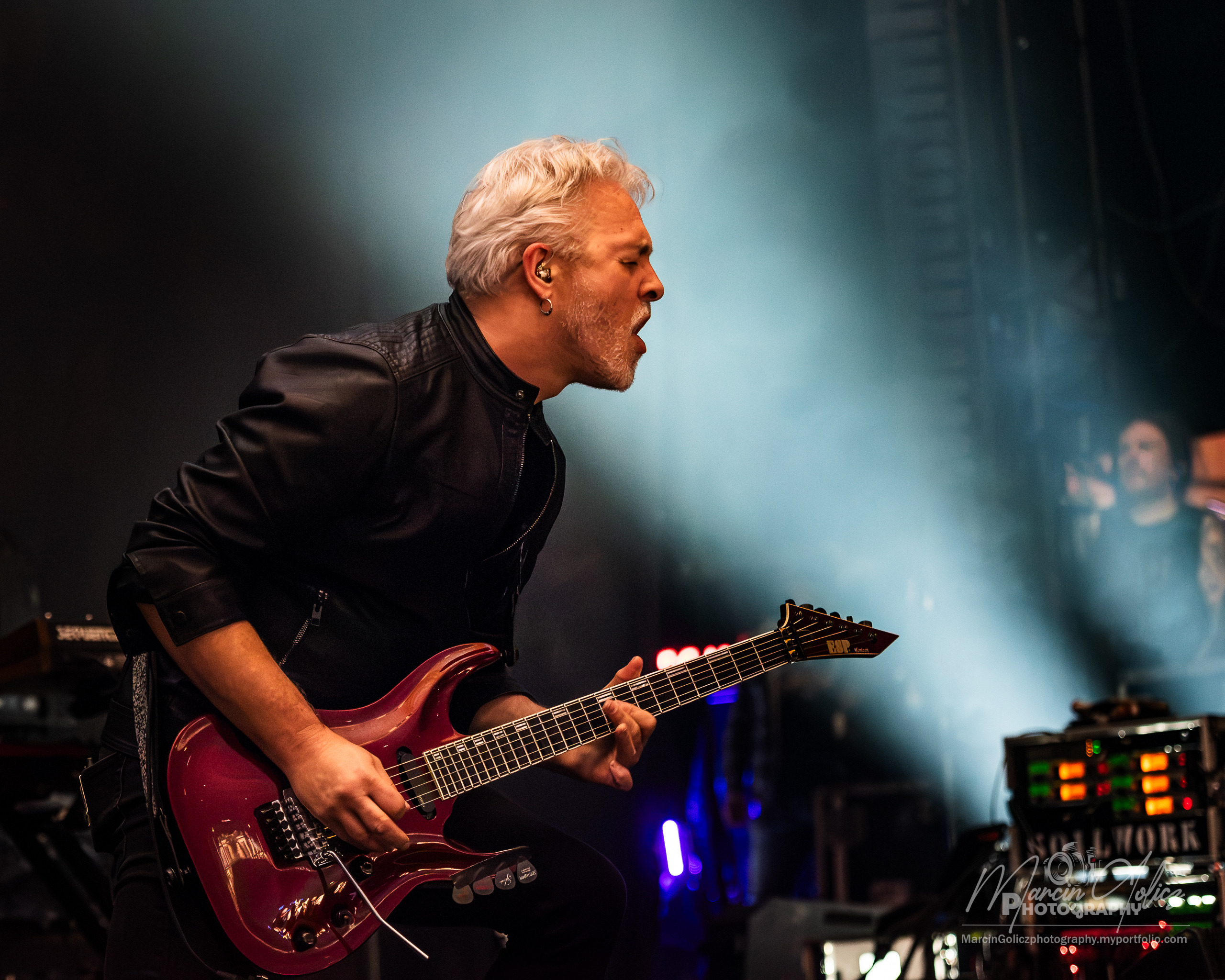
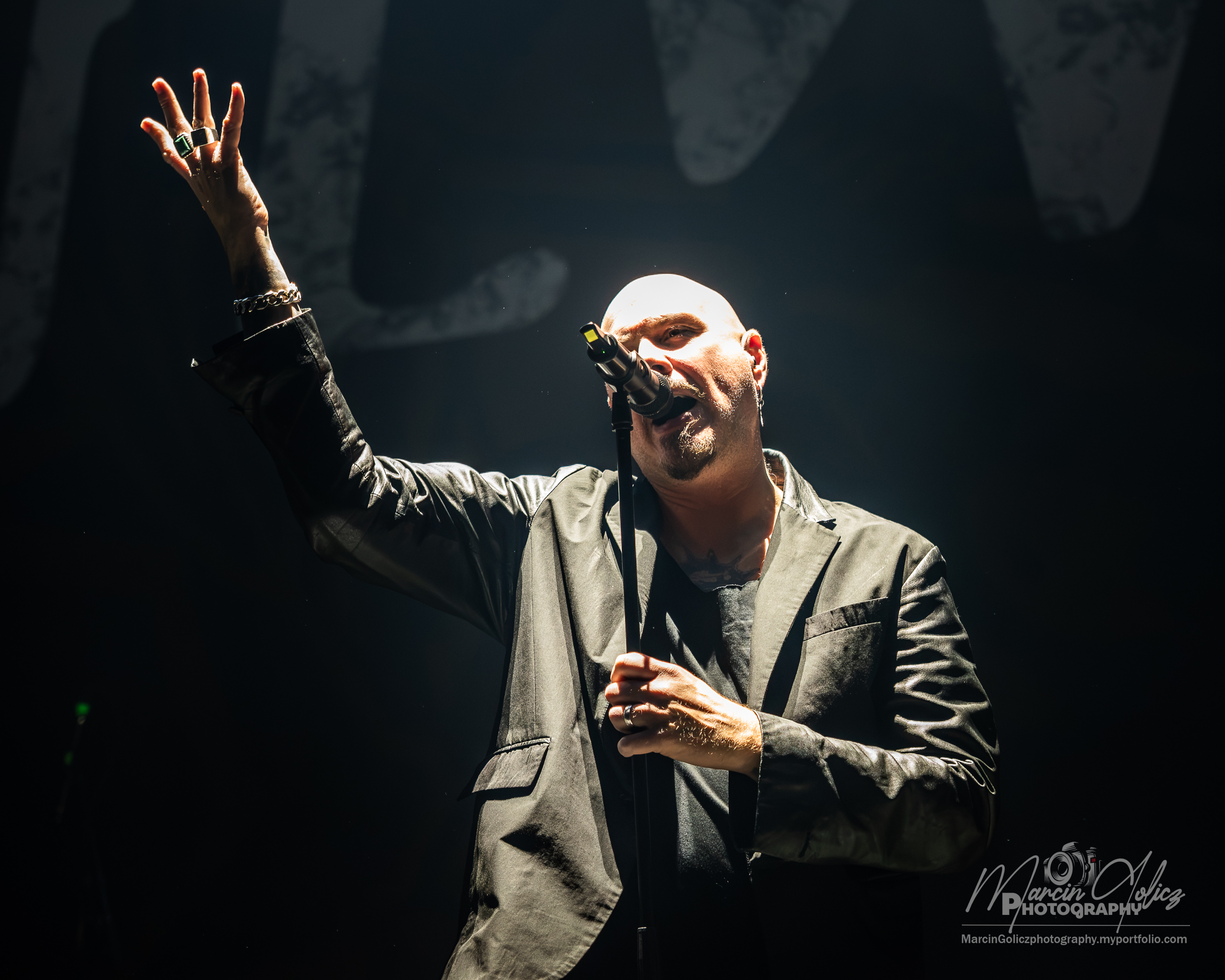
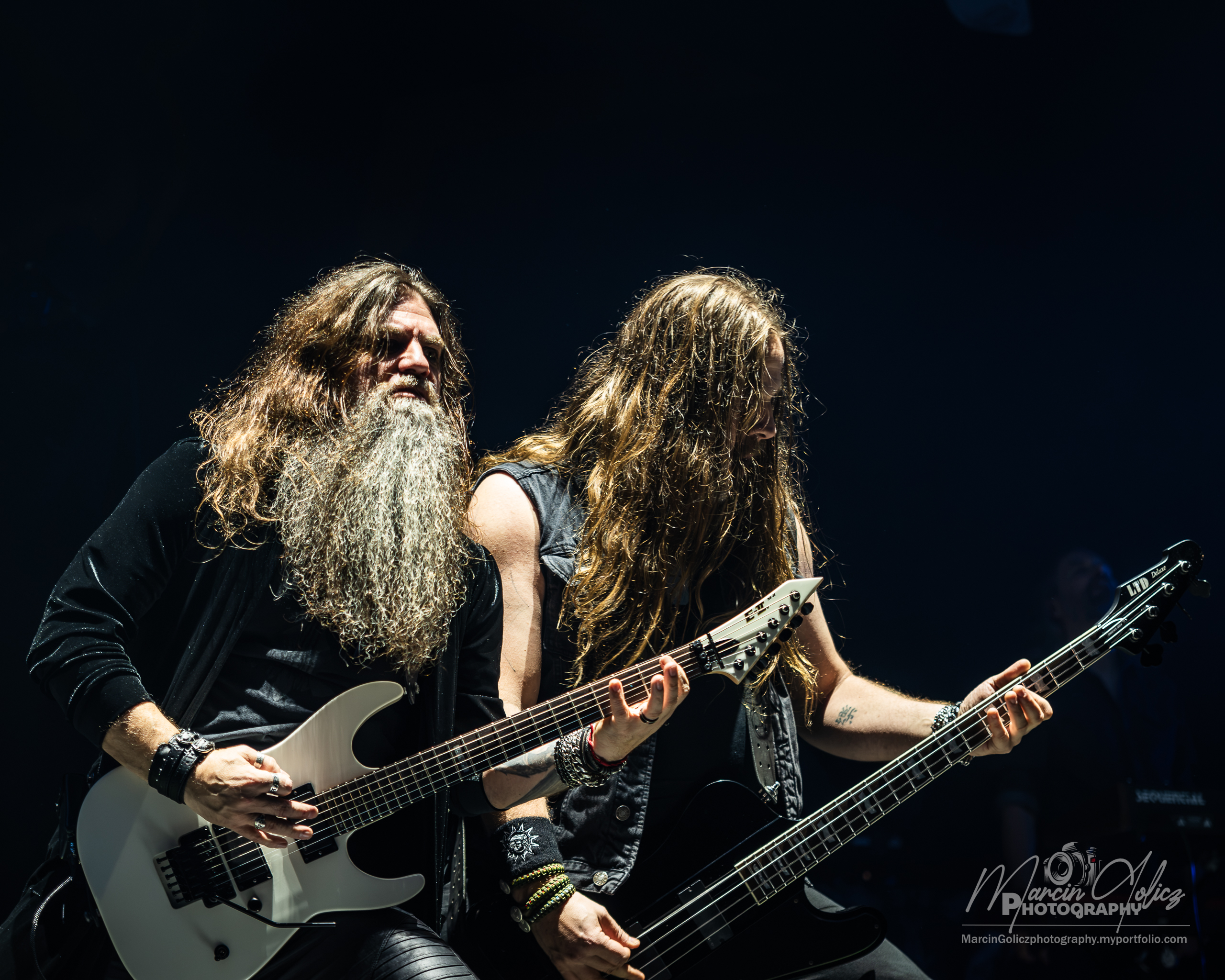
There were some notable omissions from the setlist, like ‘Stabbing the Drama’, ‘Follow the Hollow’ and ‘Like the Average Stalker’, but given the short set, that can be excused. The set ended with ‘Stålfågel’ and left the audience hungry for a headline set from Soilwork, something that hasn’t happened since 2013 on The Living Infinite tour. With any luck, the boys will be back soon enough.
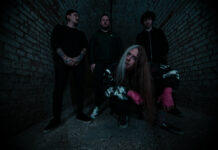
There’s a bit of a break to give everyone time to refuel, but once the lights go down, it’s time for Orbit Culture. They have been quickly rising through the ranks of up and coming metal acts, playing bigger and bigger venues with bigger and bigger artists, and you can tell these boys put the work in to deliver a stellar show.
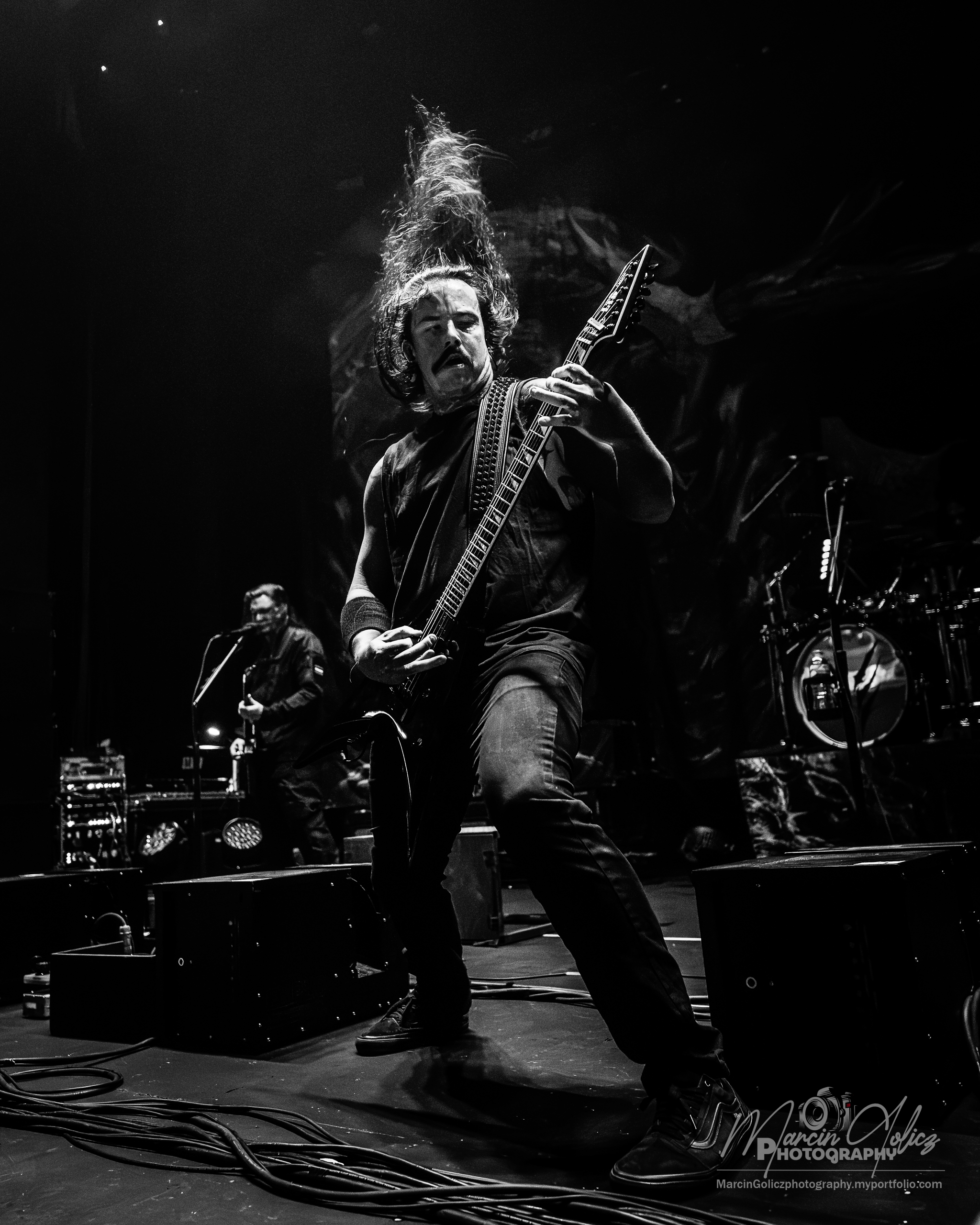
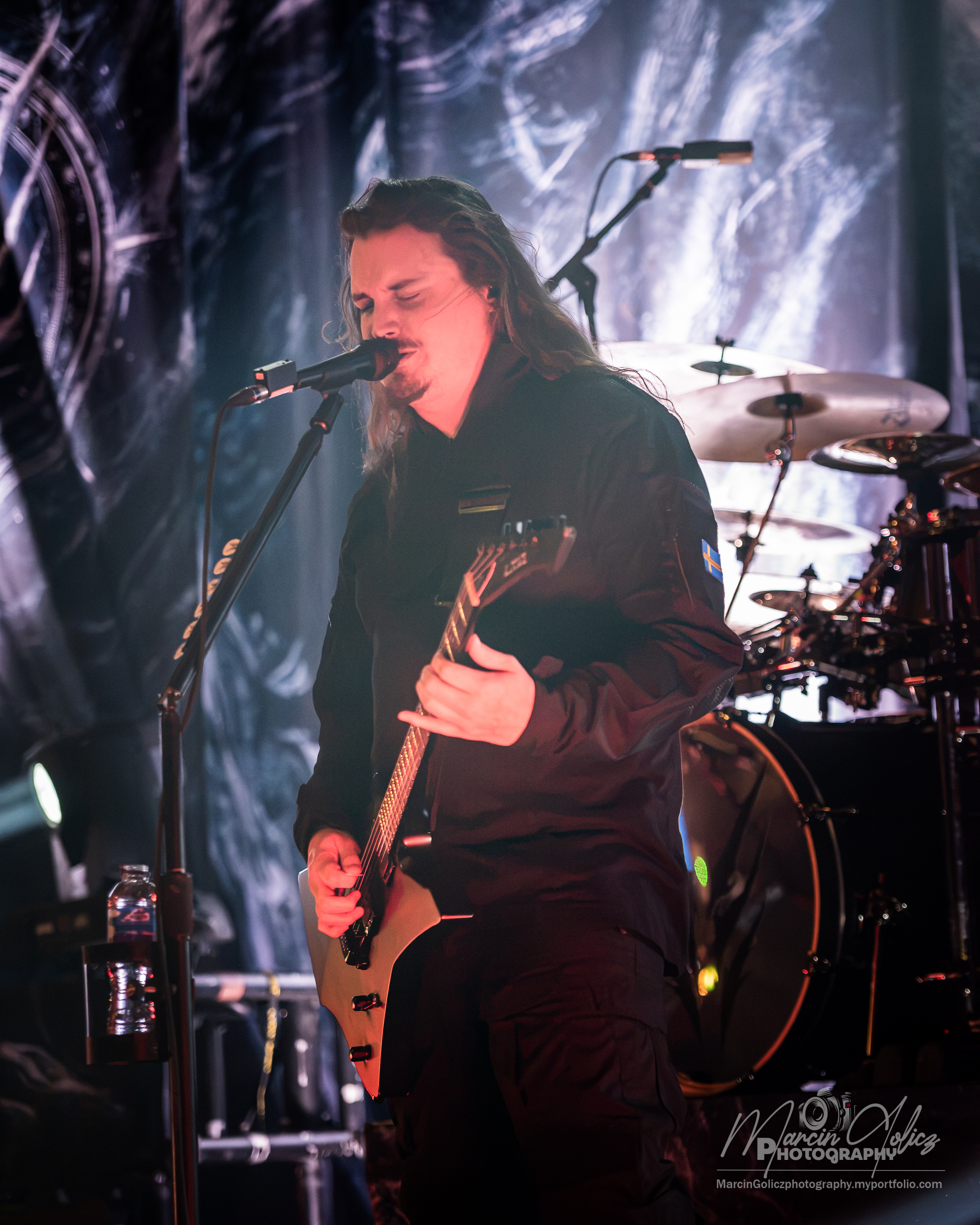
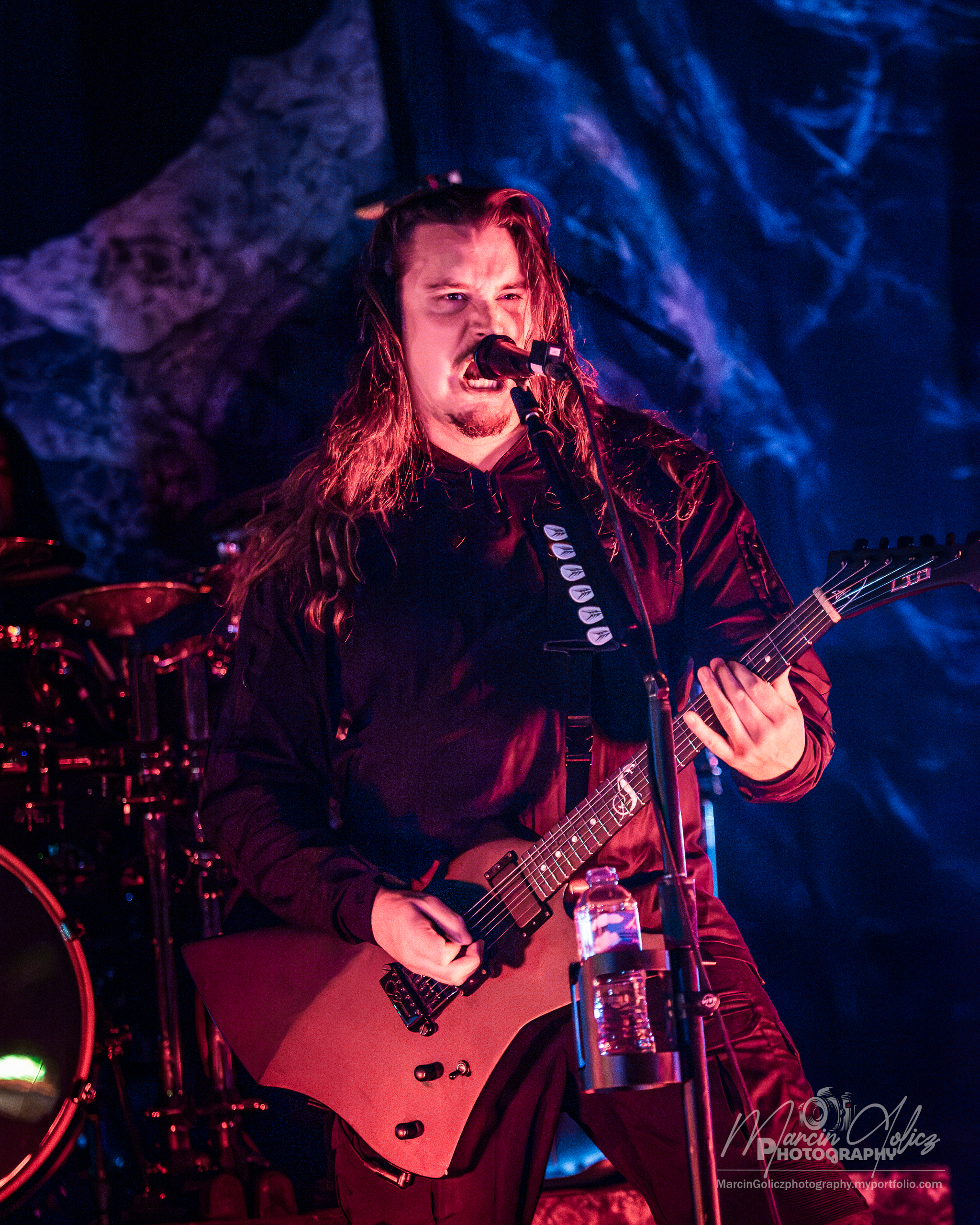
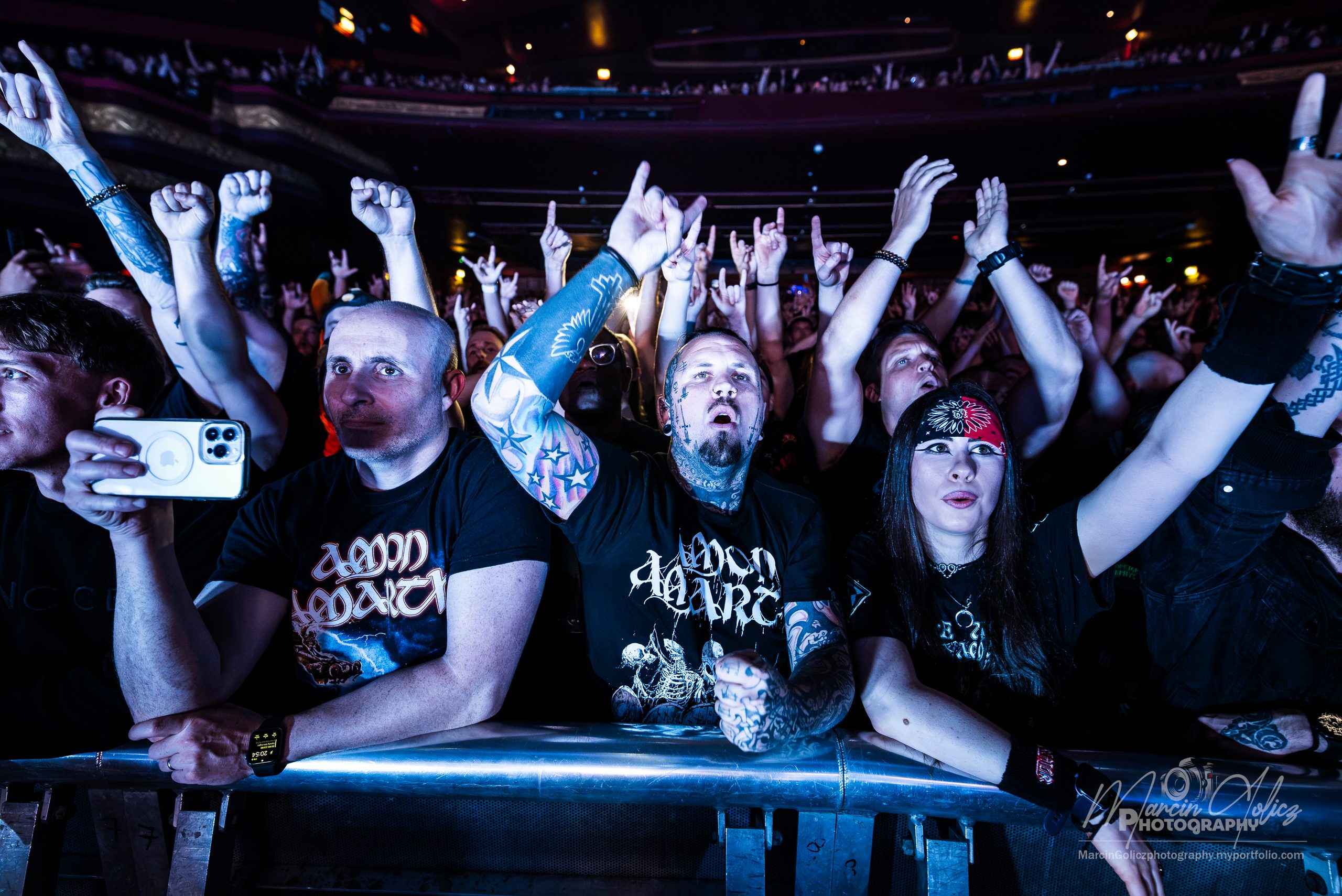
Promising and delivering punishing breakdowns and high octane riffs, Orbit Culture bridge the gap between old school Gothenburg melodic death metal and modern metalcore, with liberal use of absolutely devastating breakdowns on tracks like ‘While We Serve’ and ‘Strangler’. The energy was at absolute maximum, with circle pits and walls of death dominating the centre of the room, while I was tucked away safely above in my seat, complaining about back pain and the low light giving me eye strain.
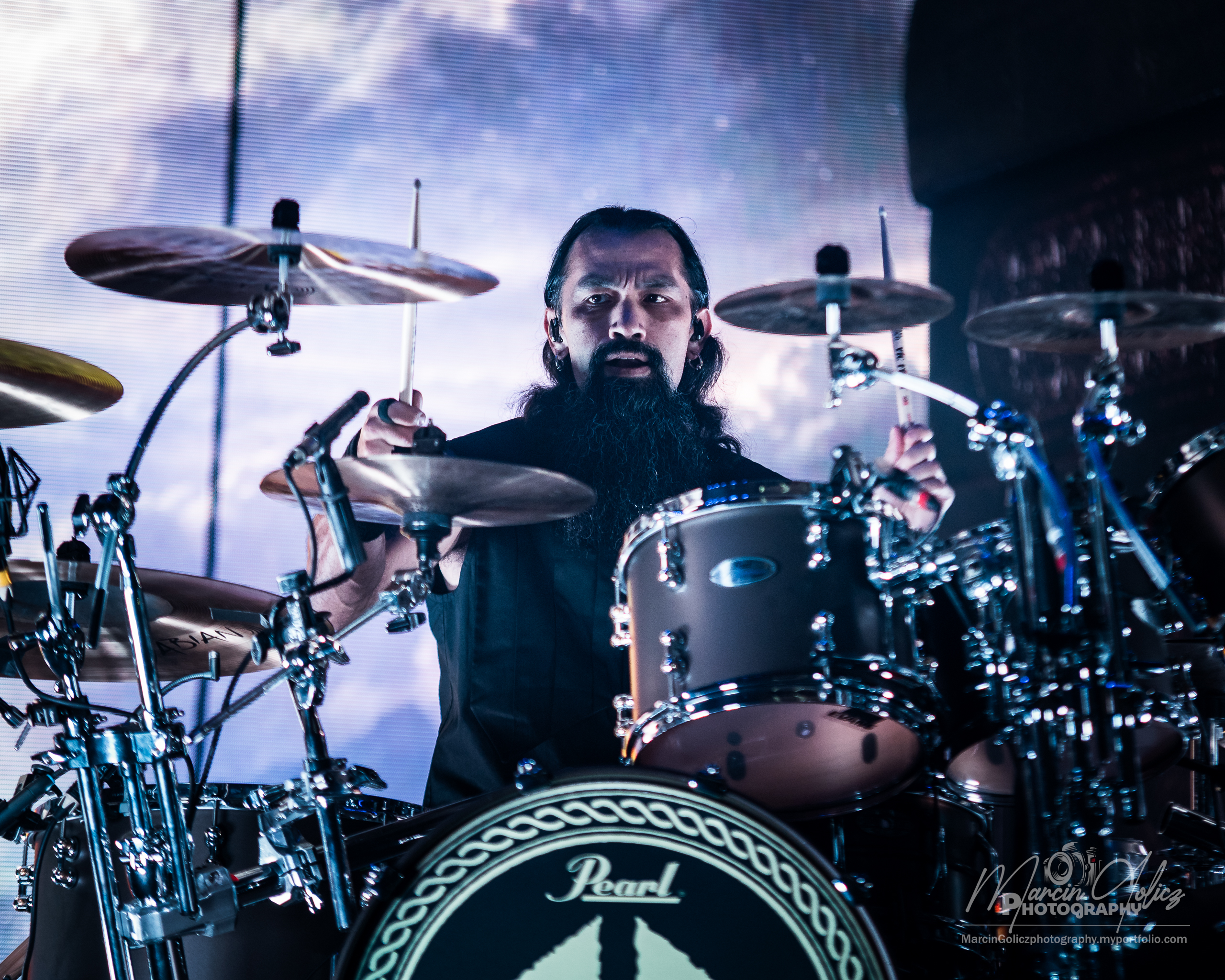
The mix was absolutely lethal, with massive bass and apocalyptic drumming that still left enough room for the guitars to cut through for some phenomenal leads. It was a magical collection of songs that gave enough kick to get the crowd ready for the arrival of the Viking heroes, and with one final chaotic push on ‘Vultures of North’, Orbit Culture took their leave as the stage was readied for Amon Amarth.
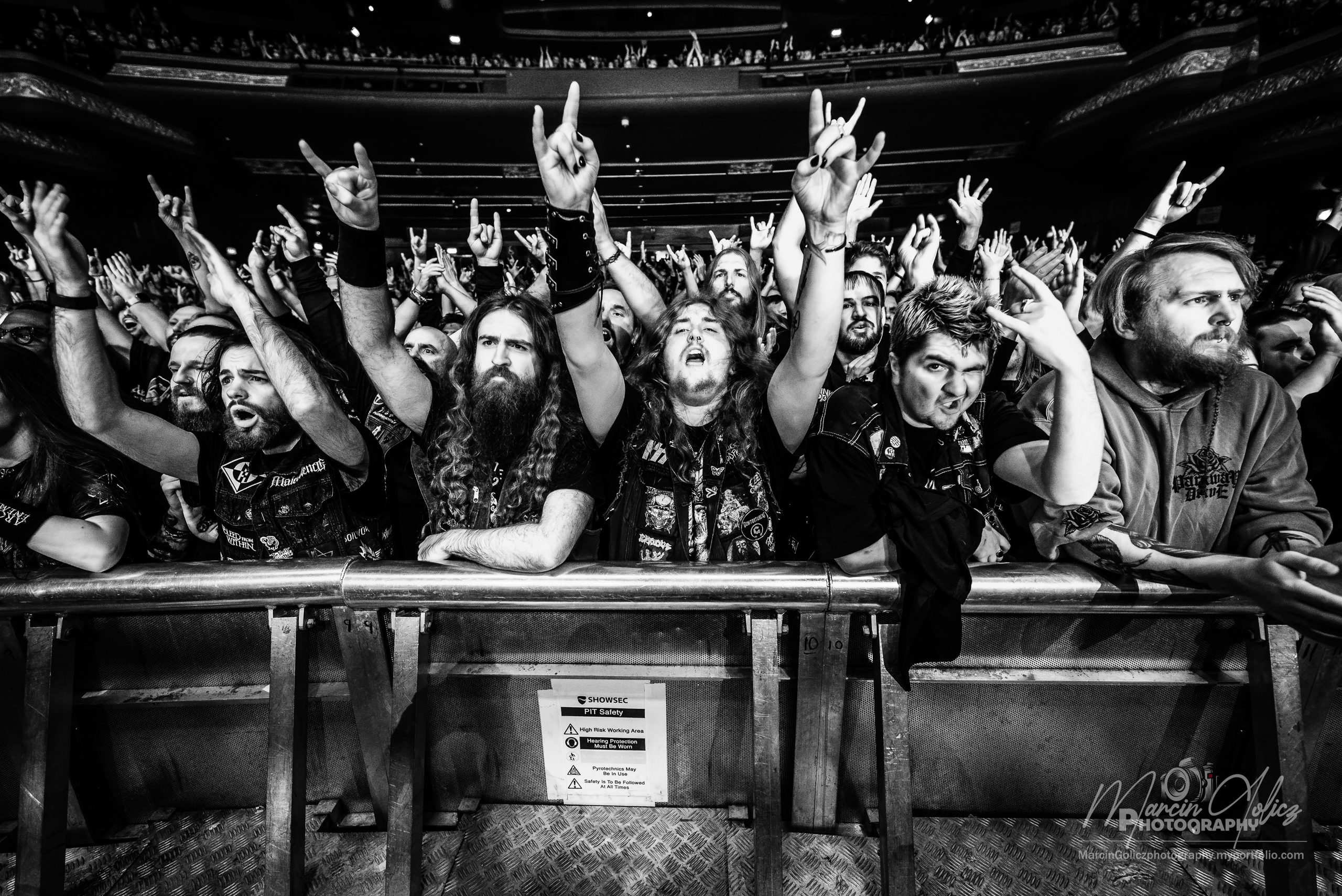
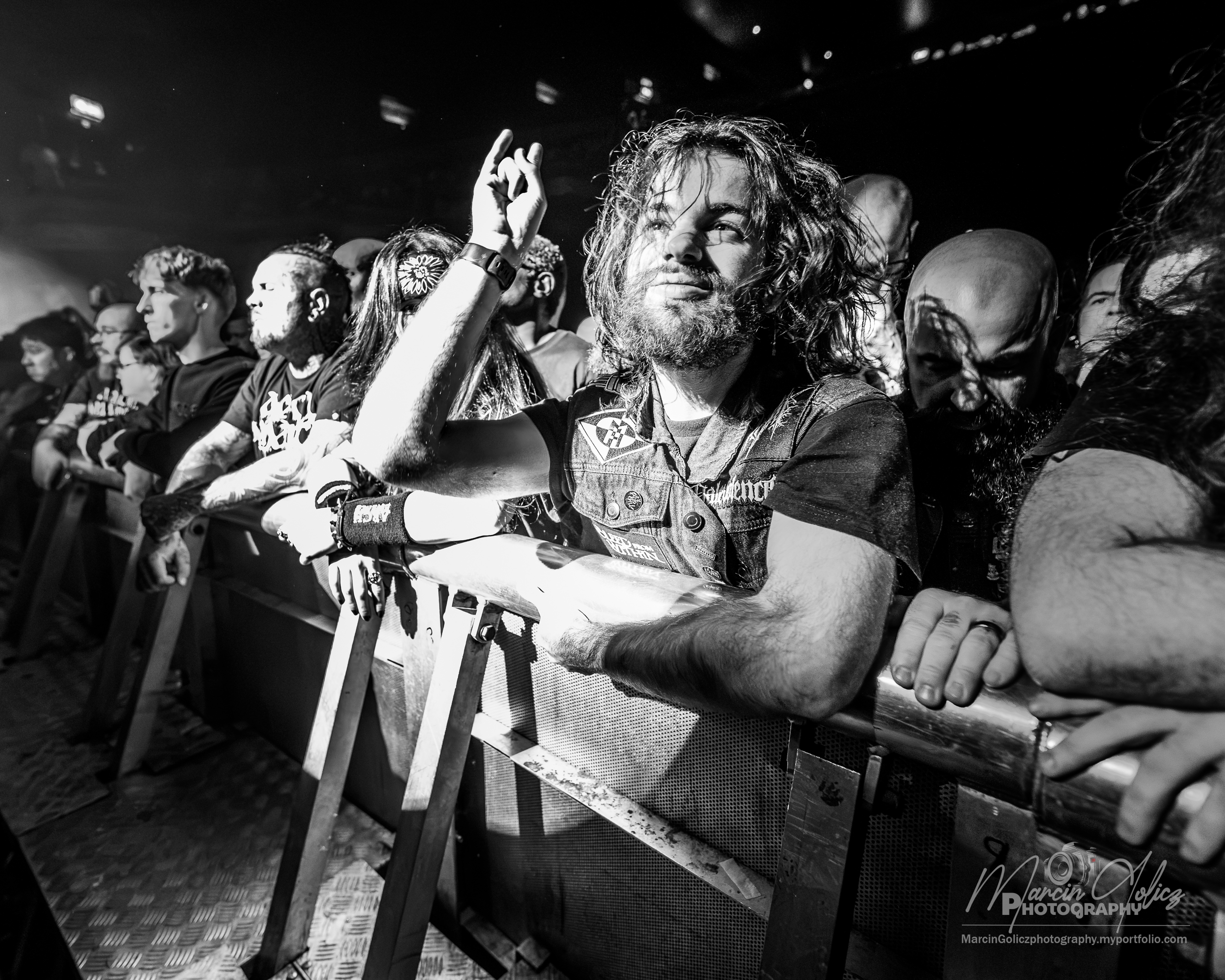
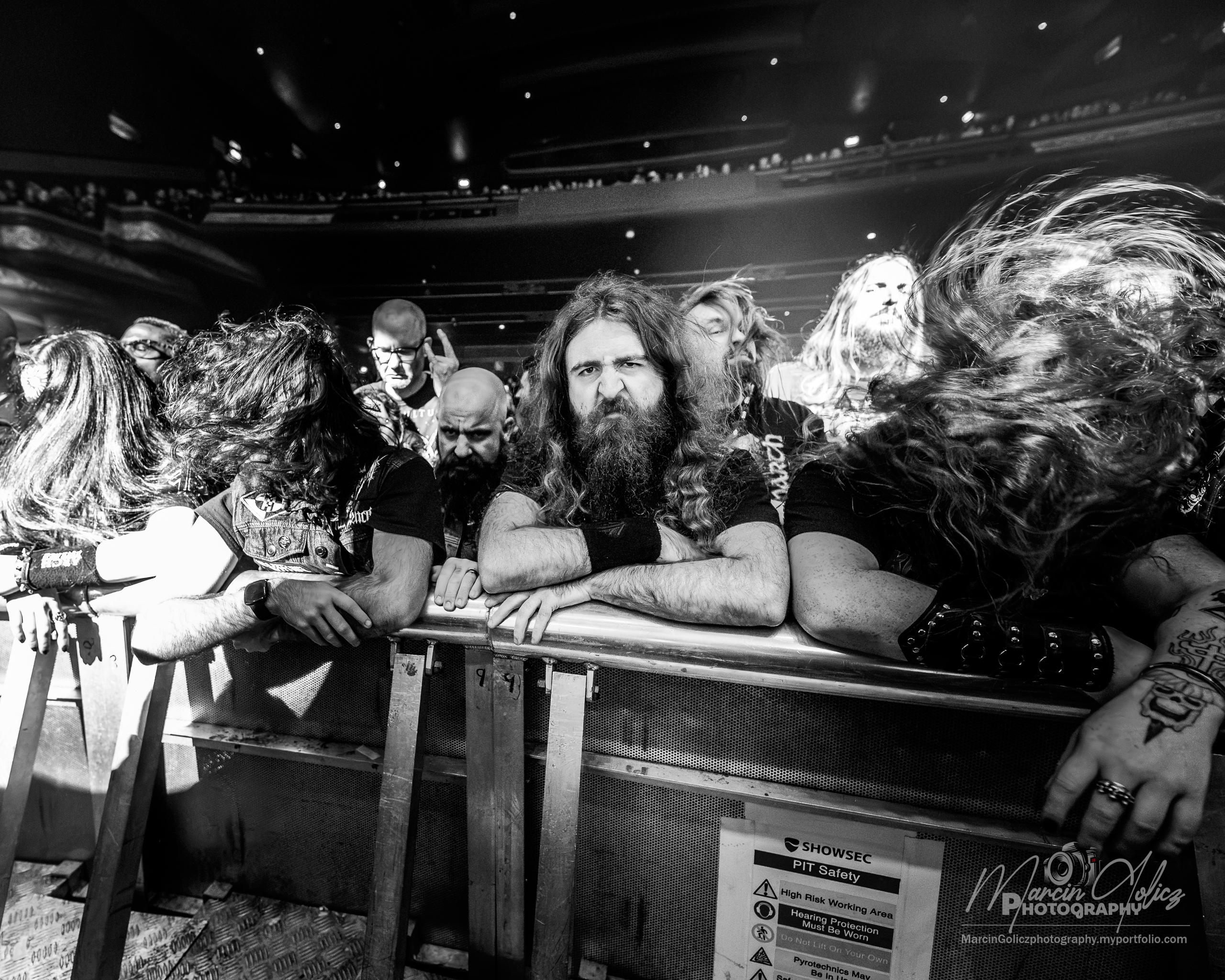
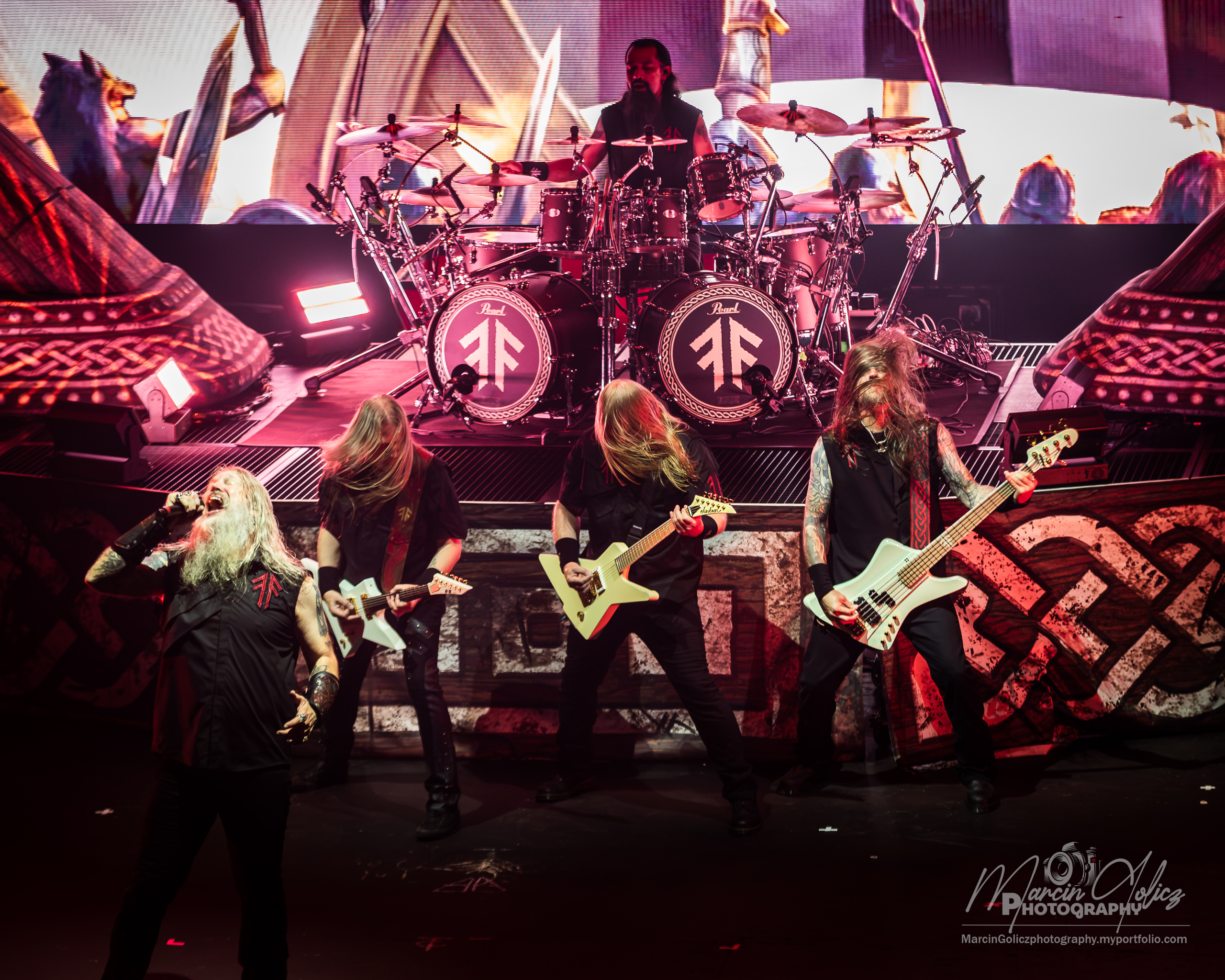
‘Run to the Hills’ by Iron Maiden was the signal for everyone to make their way to their seats. Under a brilliant set of lights, Amon Amarth crossed the Bifrost and began their savage assault with ‘Gjallarhorn’, a banger from their latest album The Allfather Awakens.
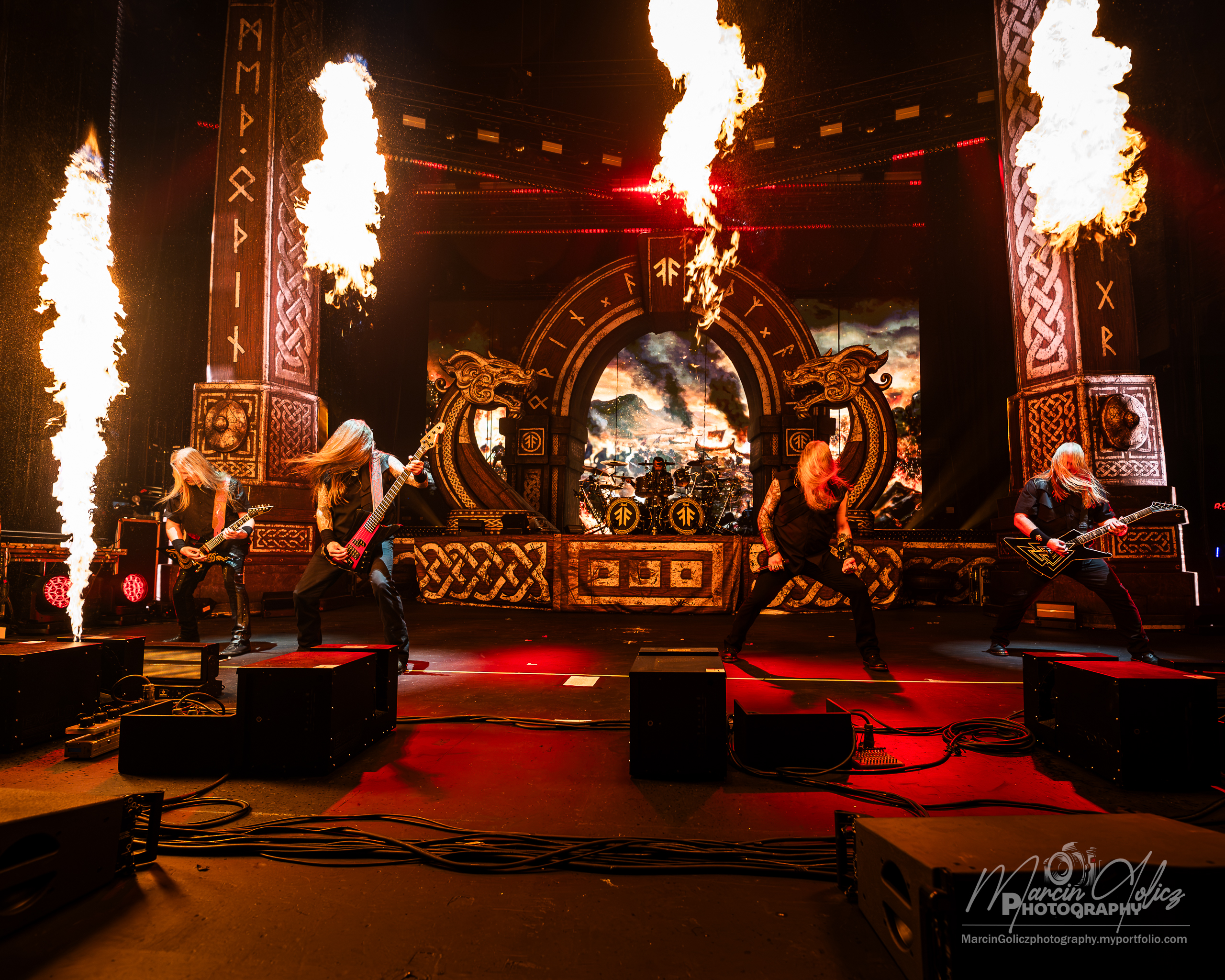
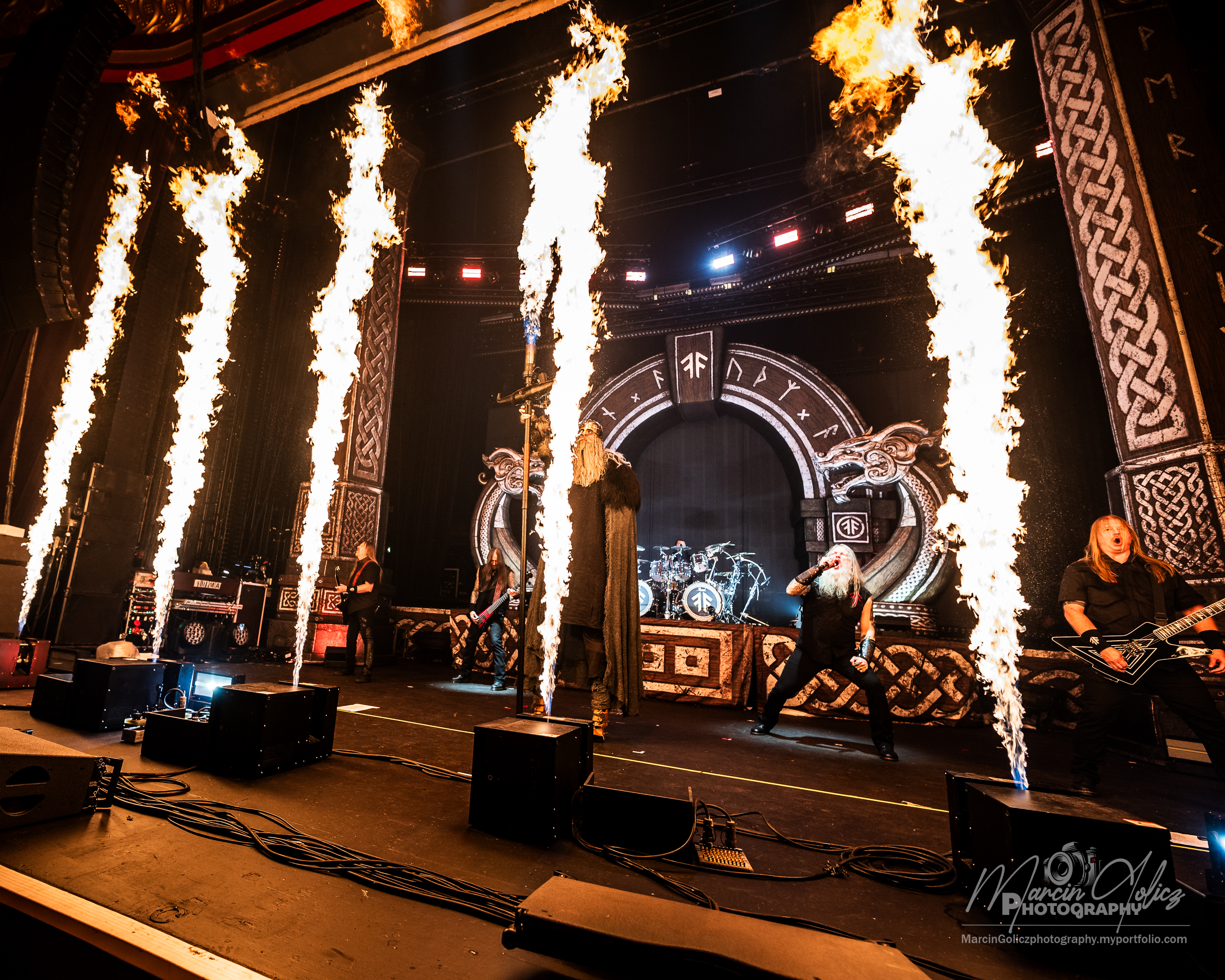
The set was an expertly crafted mix of old and new. Frontman Johan Hegg said “Good evening Manchester and welcome to Valhalla” before launching into the fan favourite, ‘Death in Fire’. Pyrotechnics lit up the track, giving off a heat matched only by the savage drumming and blunt force riffing.
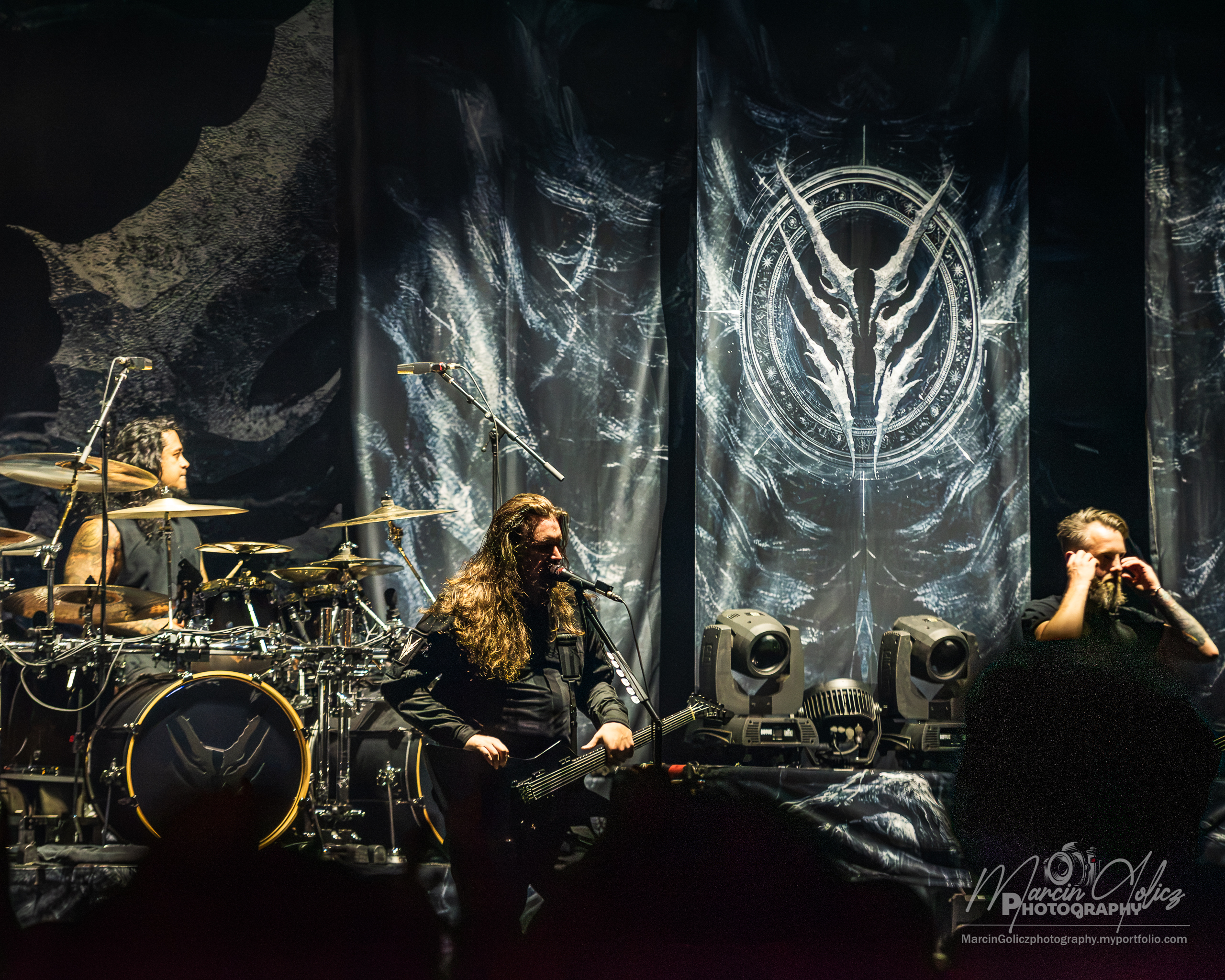
Amon Amarth have divided opinion recently with their studio output, but it’s an almost unanimous opinion that the live show is simply unmissable. A collection of set pieces, props and gimmicks breathe vivid new life into tracks like ‘Shield Wall’, and there’s even an appearance from Loki on ‘Deceiver of the Gods’, who receives a forceful boot to the chest before making his way off stage. Johan Hegg is so powerful he can kick gods in the chest and get away with it.
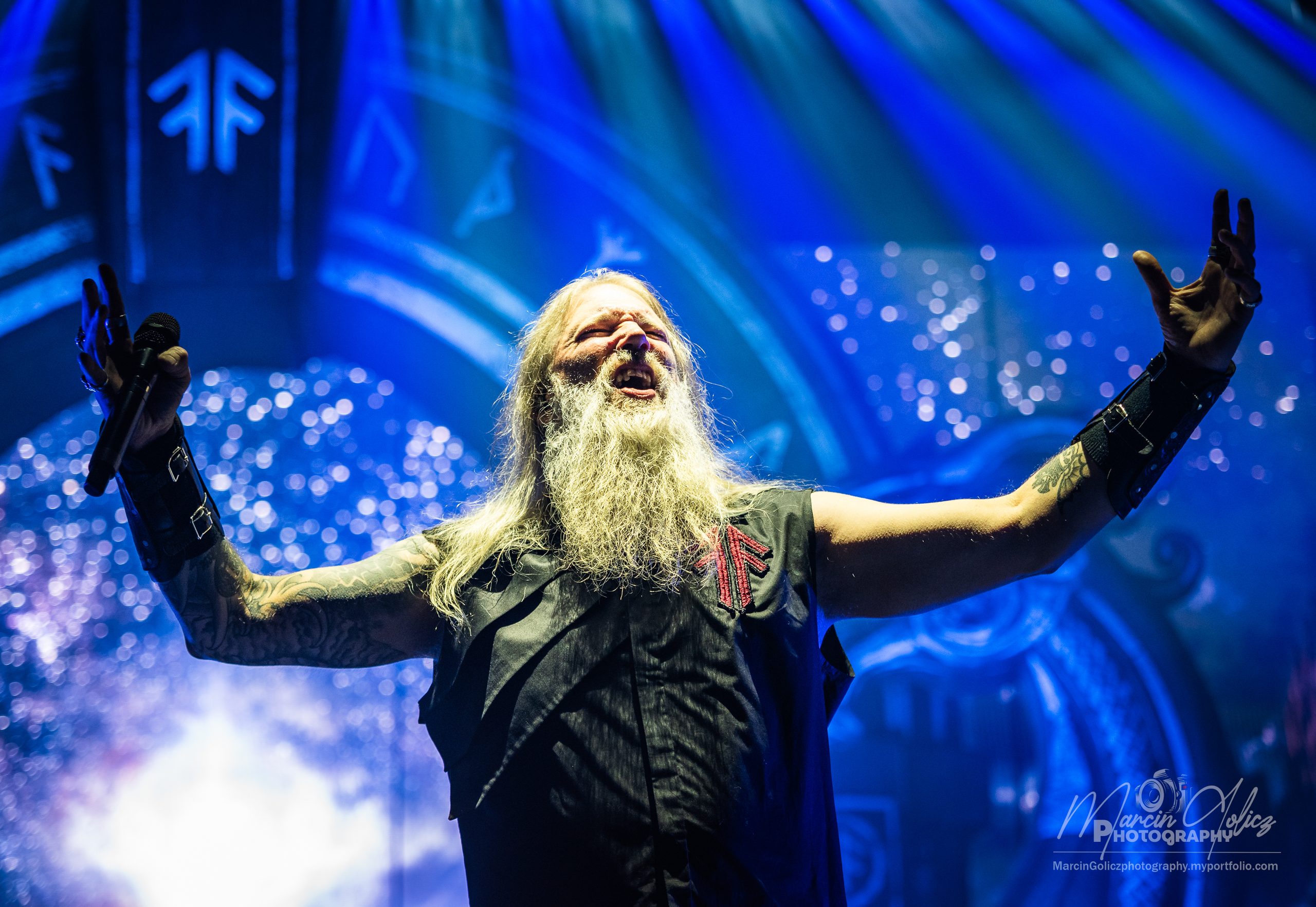
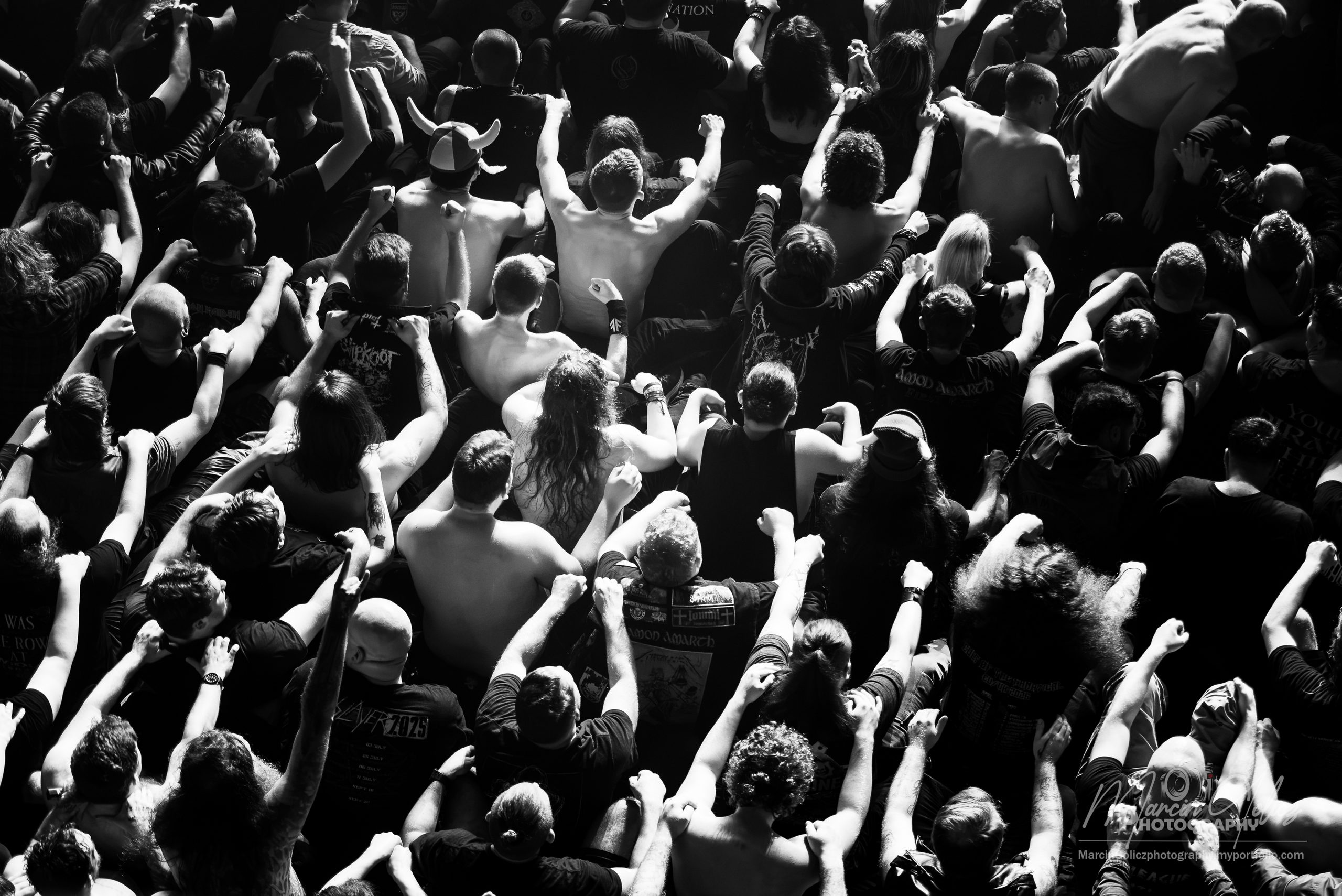
The set featured all the staples of an Amon Amarth show, including the legendary rowboat pit. Many potential oarsmen of Manchester rowed against the seas of mighty riffs that flooded the room and deafened all in their wake. With a mighty roar, Johan Hegg declared “we are all Vikings” and set sail on a journey to conquer all who dare defy the law of metal.
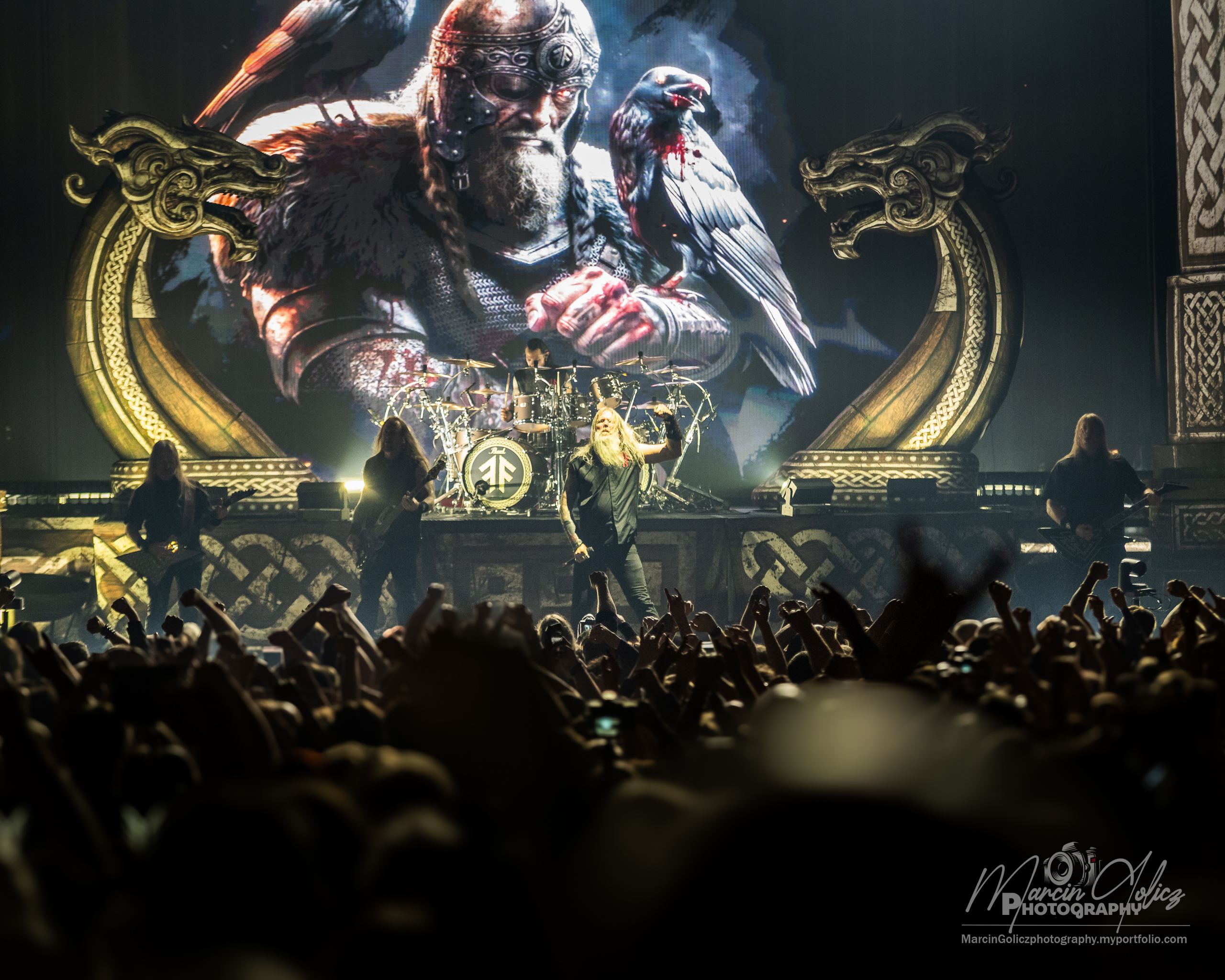
Giant stone statues made an appearance for ‘Guardians of Asgaard’, which also acted as a loving tribute to Entombed frontman LG Petrov, who sadly passed away in 2021. He was a giant of Swedish death metal who deserved all the reverence, pomp and circumstance, and he will always be thought of as a titan of the genre.
A highlight was the inclusion of the acoustic track ‘Uphaff’, which saw the band sitting around a campfire. It switched up the pace and offered a bit of world building and reprieve from a harsh world of warfare and mythology. There are many different facets to Amon Amarth as songwriters, but they tend to take a backseat to the thundering riffs and hostility, so this was a welcome change of pace.
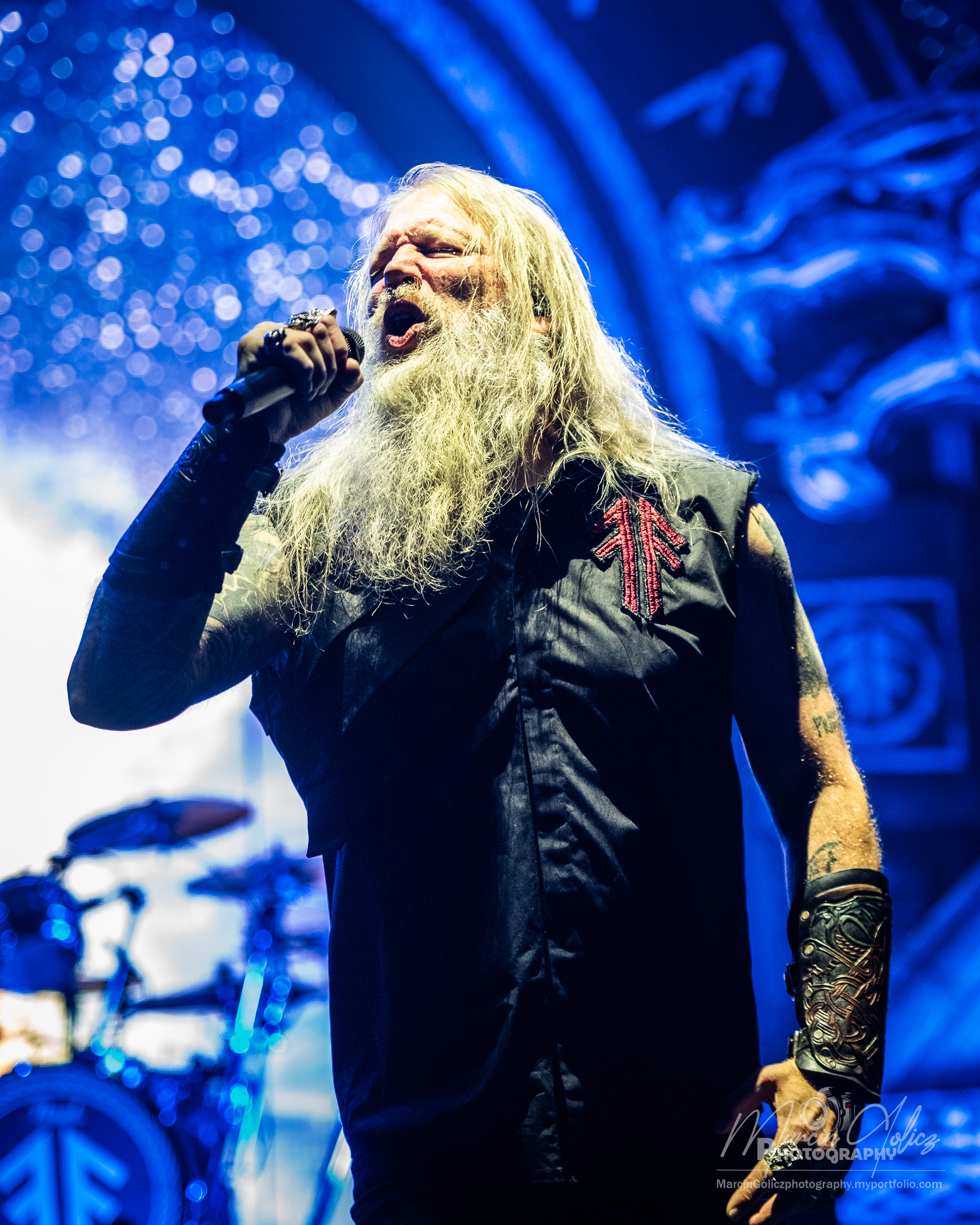
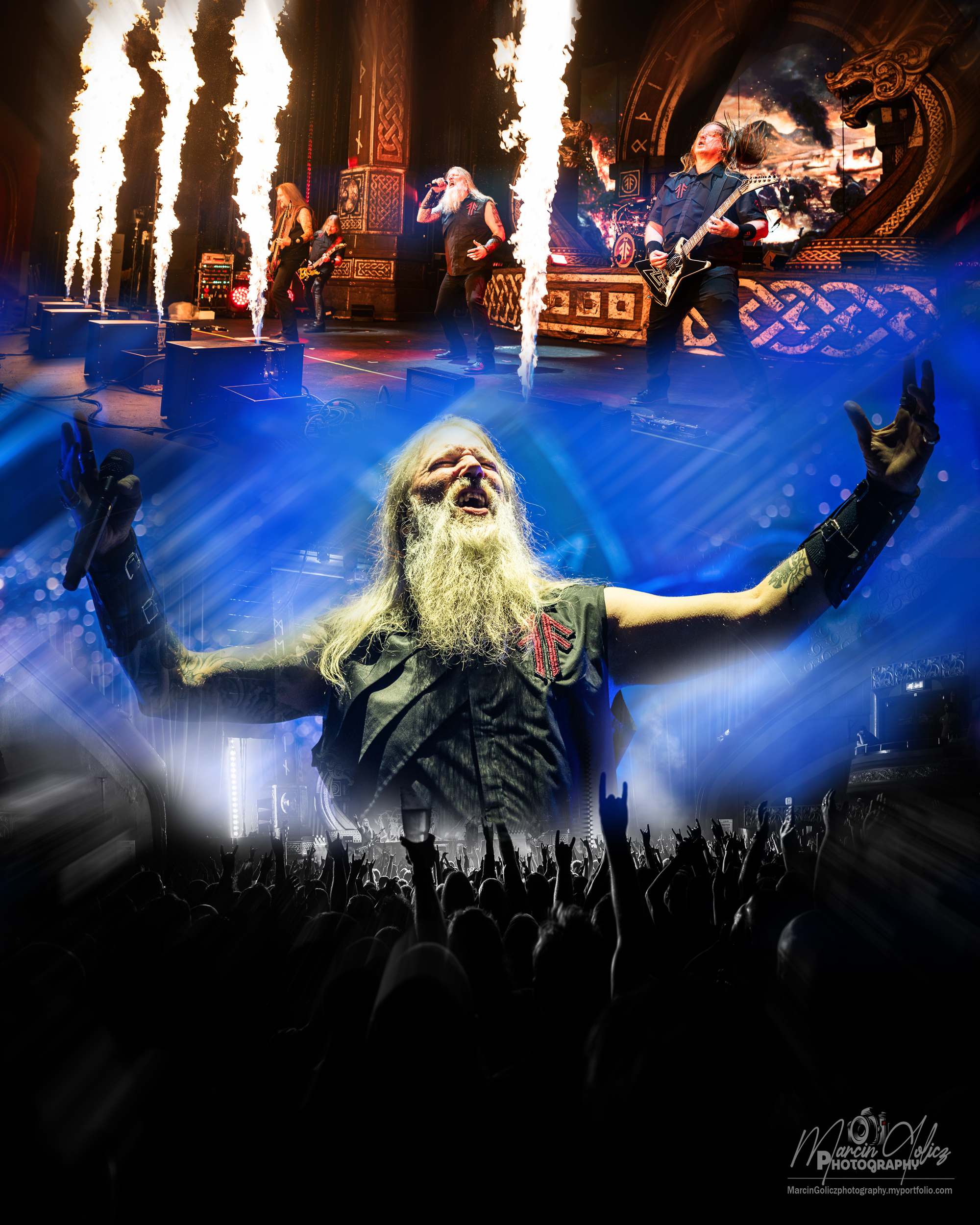
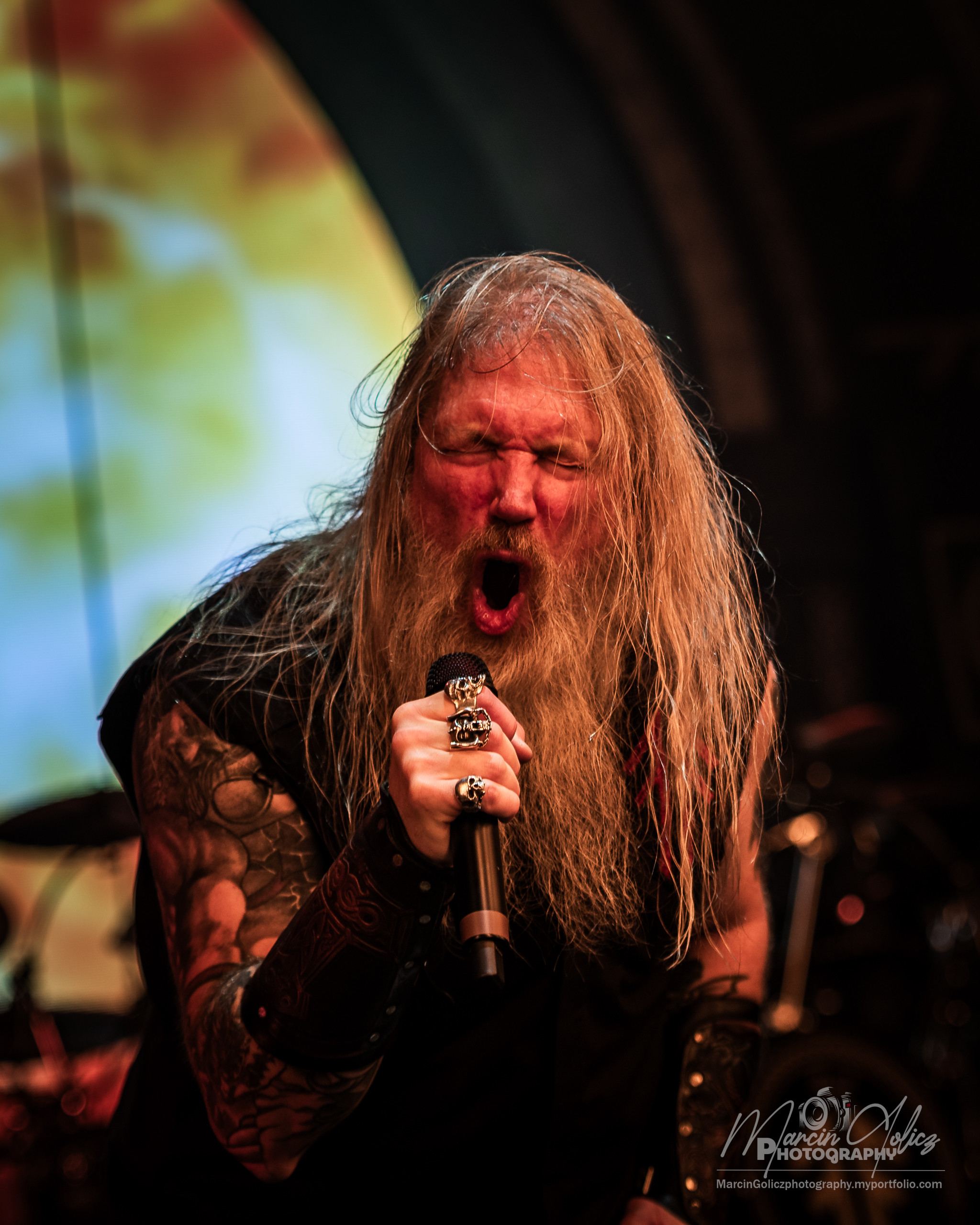
The set ended as it always does, with Johan Hegg slamming his mighty hammer Mjolnir to the ground, a mighty thundercrack and explosions dominating the stage for ‘Twilight of the Thunder God’. During the shredding guitar solo, Johan turned his attention to Jormungandr, the world serpent, a giant inflatable monster that has appeared at every Amon Amarth show for several years. After just a few minutes, the seas had been claimed by Amon Amarth.
Amon Amarth will likely never reach mainstream appeal, it’s just the nature of their music, but this is a show that needs to be seen by as wide an audience as possible. The sheer spectacle of it all is awe inspiring, and this travelling group of warriors show no signs of slowing down.